Author: Malak .

  • Simply Modern

    Simply Modern

    Simply Modern

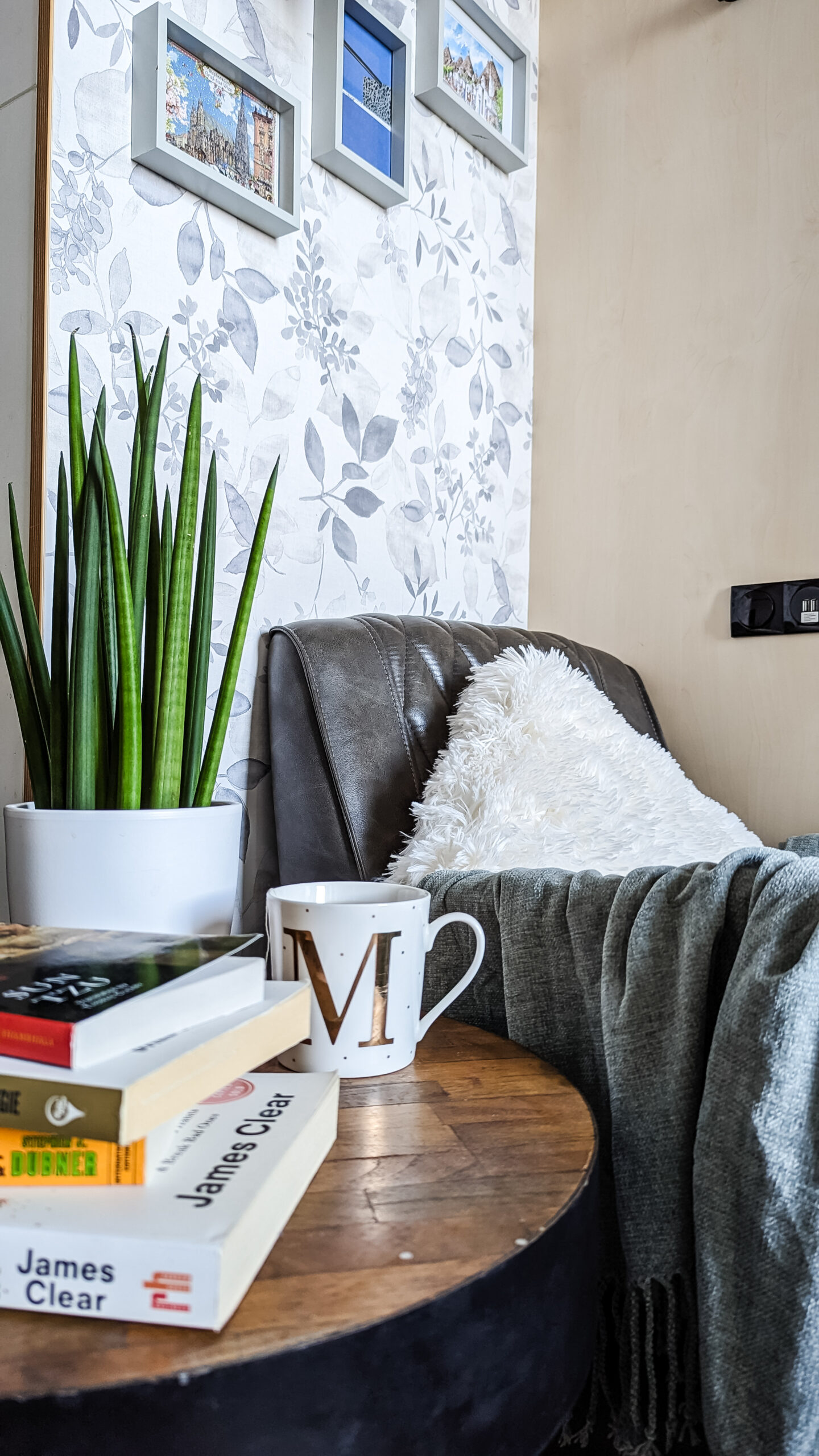
    The Simply Modern project involved providing visualizations for the living room, kitchen and a washroom showcasing modern cosy space options with desired neutral and dark colours.

  • UnrealReal

    UnrealReal

    Unreal Real

    Wellbeing begins at HOME.

    “My home is crafted as an experience, a transformation that showcases the potential of rental homes. Every material, texture, colour and detail is meticulously and intentionally selected to create a sense of belonging and reflect personal identity. “

    Malak

  • A Childhood Home Story ​

    A Childhood Home Story ​

    A Childhood Home Story

    This 1960s home was waiting to be rescued and we are proudly working on imparting a new life to it in every way possible. The idea is to preserve as many elements as possible in the existing home and add an extension instead of breaking the home apart.

  • A Renter’s Paradise​​

    A Renter’s Paradise​​

    A Renter’s Paradise​

    A very special one indeed. This project made us realize that however small a space is, it still has immense potential of being transformed into something beautiful.

  • Home as an External Reflection of our Inner Self

    Home as an External Reflection of our Inner Self

    Home as an External Reflection of our Inner Self

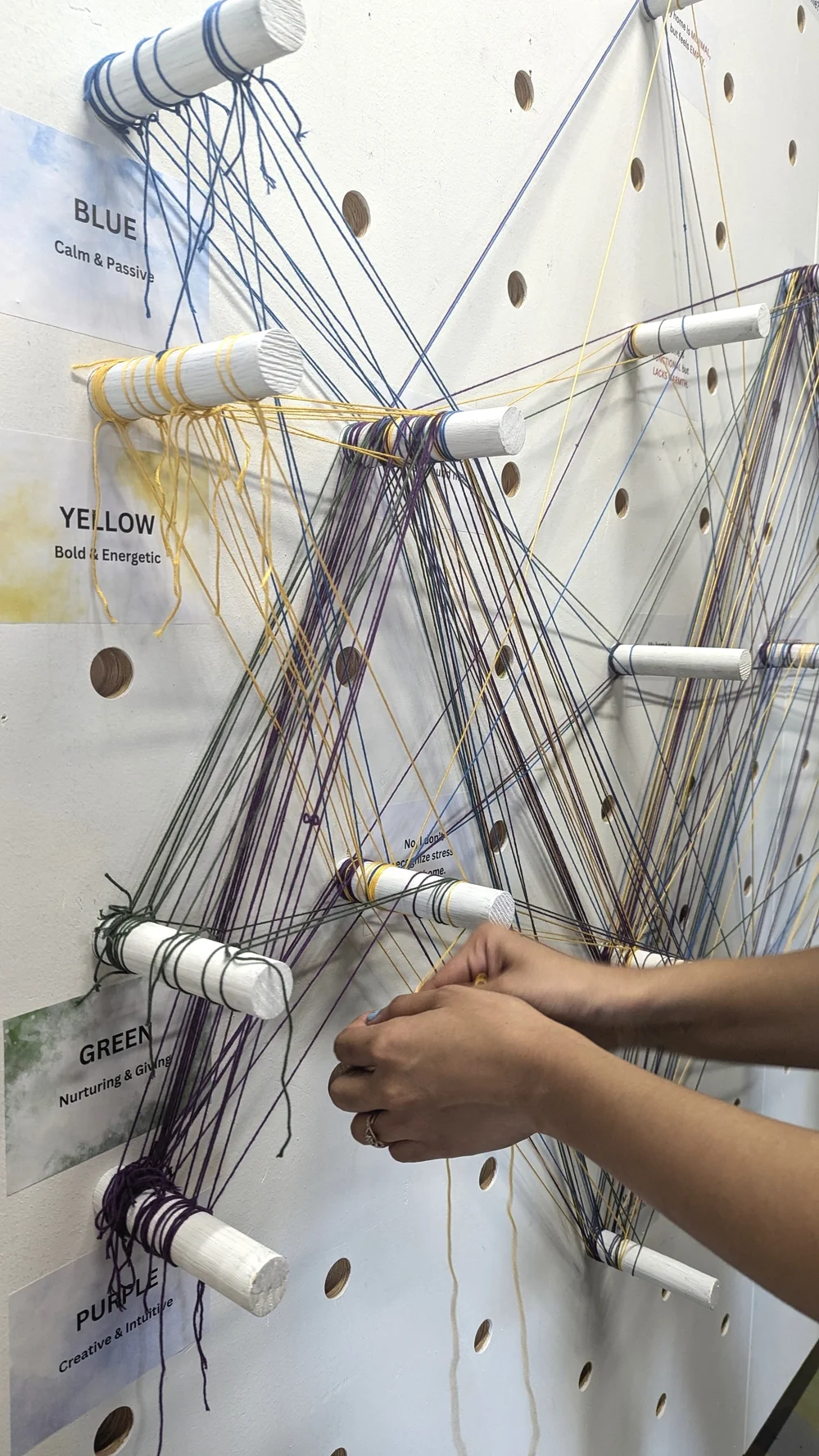
    It was an interactive exhibit for the theme “What Makes A Home”, organized at DEMO Eindhoven. This experience brought visitors on a journey of self-discovery, helping them explore how their homes are connected with their personalities, stress, emotions, feelings and memories.

    Special thanks to DEMO for this opportunity that led us to create a space for reflection, creativity, and connection, bringing people closer to their homes.

  • Dutch Design Week 24 – BYOT

    Dutch Design Week 24 – BYOT

    BUILD YOUR OWN THRONE !

    Build Your Own Throne is an interactive urban furniture project with two key aspects: it invites the community to contribute to public space by creating collaborative designs and empowers individuals to craft their own seating. Developed and showcased at Dutch Design Week 2024 as part of Project Next Up, the installation explored how making something personal in a public space fosters creativity, connection, and a profound sense of ownership.

    The results were inspiring— Hundreds of thrones were created and participants expressed joy, creativity, a sense of control, and pride in their creations, demonstrating how such projects can enhance community engagement and deepen attachment to urban spaces

    As a part of our placemaking efforts, we hosted a community workshop where participants contributed to the urban furniture by expressing their connection with the city of Eindhoven in the form of beautiful abstract artworks on the wooden creates. 

  • Memory Laden Mini Neighbourhood​

    Memory Laden Mini Neighbourhood​

    Memory Laden Mini Neighbourhood

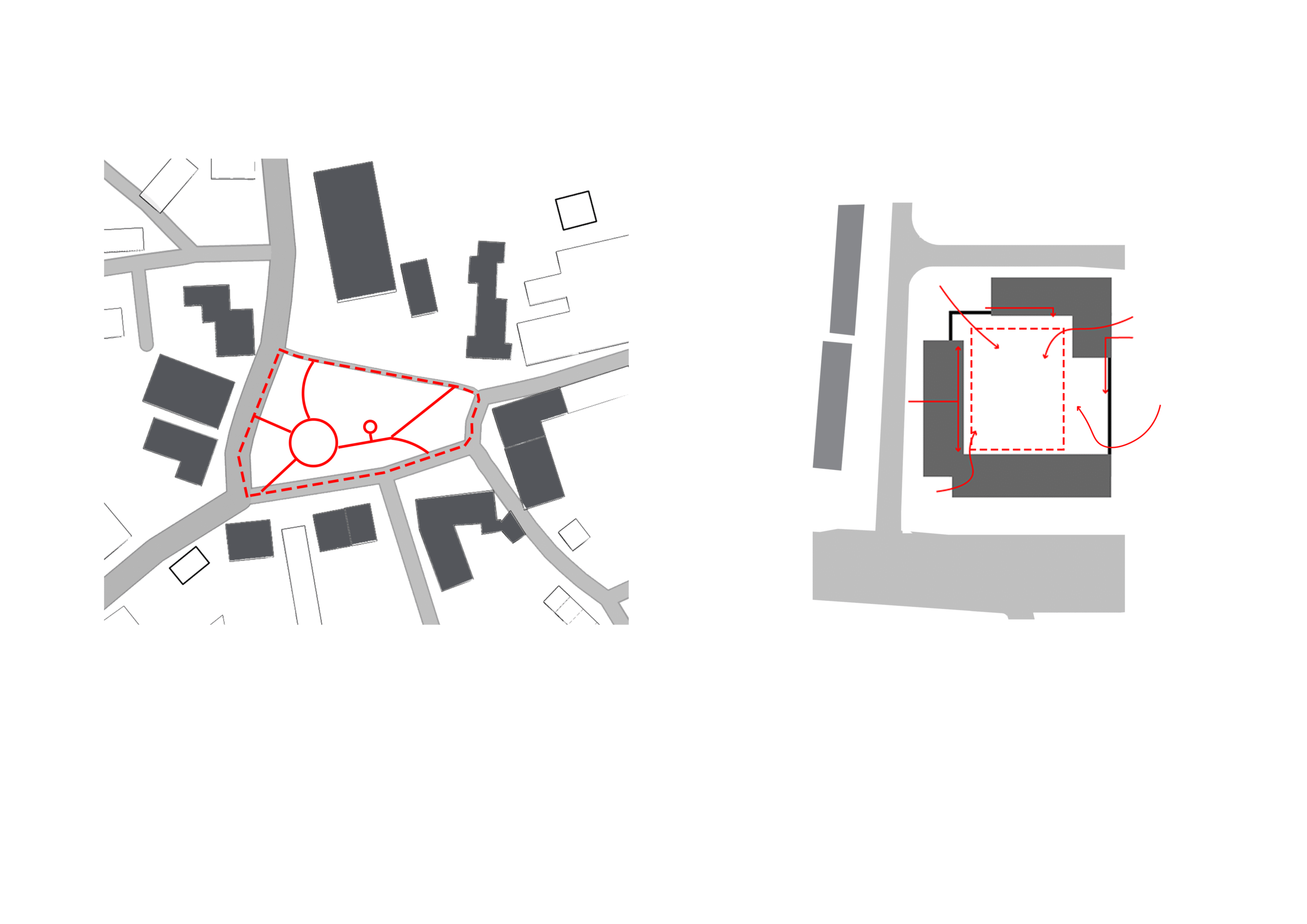
    The genesis of “The Mindful Scapes” began with a pivotal project rooted in profound research on Aging in Place and Environmental Psychology.

    Focused on the Waalre neighbourhood, the design prioritized public and semi-public spaces in existing apartments for the elderly, aiming to foster a sense of belonging and community. The project seamlessly wove the historic identity of the neighbourhood with thoughtful design, creating a harmonious blend of physical and emotional landscapes.

  • 5 Subtle Ways Your Workplace May Be Undermining Wellbeing

    5 Subtle Ways Your Workplace May Be Undermining Wellbeing

    5 Subtle Ways Your Workplace May Be Undermining Wellbeing

    We spend 90% of our time indoors and much of that inside our workplaces. Yet most offices are still designed with productivity in mind, not people. As an Architectural Researcher, Designer and WELL AP, I have seen first hand how even the subtlest spatial design choices can create stress, drain focus, and dampen engagement, which is often without anyone realizing the root cause.

    In a world increasingly focused on Environmental, Social, and Governance (ESG) responsibility, employee wellbeing is no longer a nice-to-have. It is now a business imperative. Beyond gym perks or wellness webinars, wellbeing starts with the everyday experience people have at work and the physical space plays a huge role.

    The tricky part is that many of the issues harming wellbeing are invisible, or at least subtle. Below are five common, easily overlooked ways your office may be quietly working against your people.


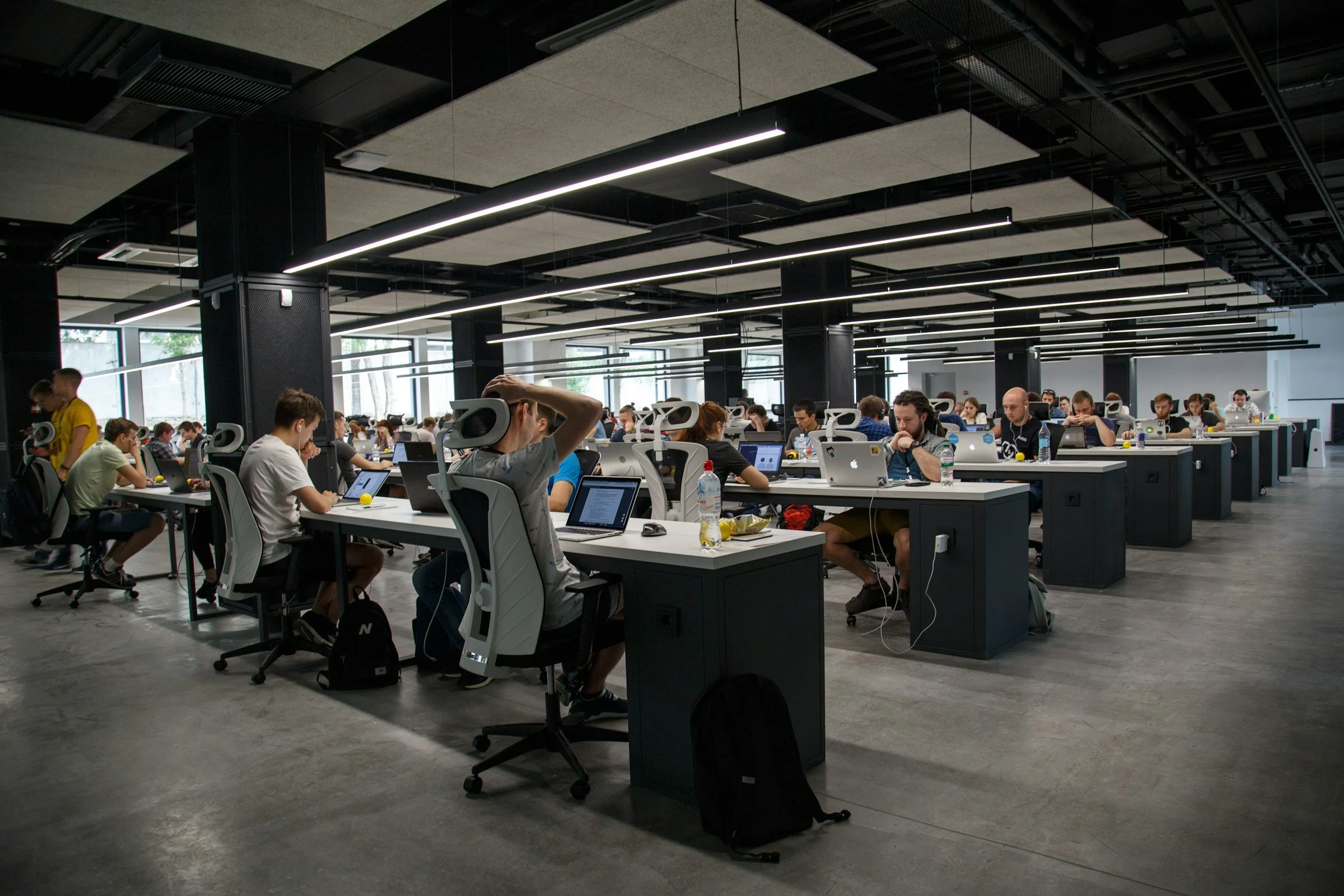
    Image courtesy: Frantic

    1. Poor Lighting and Circadian Disruption

    Most office lighting is uninspiring and confusing. Our circadian rhythms (our internal body clocks) are regulated by light exposure. Harsh overhead fluorescents or dim lighting with poor colour rendering can confuse this system, leading to fatigue, irritability, and poor sleep. When we don’t get enough exposure to bright, natural light during the day and aren’t shielded from disruptive light in the evening , our energy, mood, and performance all take a hit.

    Yet lighting is often treated as a purely aesthetic or cost-saving decision. This overlooks its powerful influence on hormones like melatonin and cortisol. In addition to the brightness, the timing, temperature (colour), and quality of light all matter. A well-lit space aligned with circadian needs can enhance alertness, reduce mistakes, and even improve recovery from stress.

    2. Lack of Variety in Spaces (Focus, Connection, Recharge)

    Human beings are not built to do one thing, in one posture, in one place, for eight hours a day. Yet many offices still rely on a one-size-fits-all design, rows of desks and maybe a few meeting rooms. This lack of variety silently works against wellbeing. Employees struggle to find places to focus deeply, connect meaningfully, or take a mindful pause.

    Without access to different environments for different modes of work (heads-down focus, social interaction, private reflection), employees feel either overstimulated or isolated. Over time, this depletes cognitive energy and can even raise stress hormones. High-performing teams need choice and control over how and where they work!

    3. Noise and Lack of Acoustic Control

    Sound is often the invisible stressor in offices. Constant noise from conversations, printers, HVAC systems, or even hallway chatter can increase cognitive load and stress levels, especially in open-plan settings. For many, especially introverts or neurodivergent employees, this sensory bombardment is exhausting.

    Poor acoustic design not only undermines focus and memory retention, it also impacts wellbeing on a physiological level. Chronic exposure to noise activates the body’s stress response, increasing heart rate and blood pressure. And ironically, trying to block it out with headphones can isolate people further and reduce opportunities for spontaneous collaboration. True acoustic wellbeing requires layered strategies including materials, layout and policies to support both privacy and connection.

    4. Over-Cluttered Layouts with No ‘Breathing Room’

    Many workplaces fall into the trap of trying to maximize every square foot, cramming in desks, storage, and equipment. But humans need visual and spatial relief, a room to breathe, both literally and psychologically. Cluttered environments can trigger low-grade anxiety and reduce our ability to process information effectively.

    When every surface is busy and every pathway tight, our nervous system stays subtly on alert. We process the space as “noisy,” even if it is quiet. This constant low-level stress impairs focus, creativity, and even emotional regulation. Thoughtful spatial design, incorporating negative space, clean lines, biophilic elements, and clear sightlines, helps calm the mind and support more restorative work.

    5. Mismatch Between Brand Values and Actual Space Experience

    This is one of the most overlooked disconnects: the gap between what a company says it stands for and what its physical environment feels like. A company may promote openness, sustainability, and wellbeing but if the office is dark, rigid, noisy, and outdated, the message doesn’t land.

    Employees are perceptive. They pick up on this cognitive dissonance, often subconsciously. It erodes trust and engagement. People want to feel that their workplace reflects shared values not just through messaging, but through the actual design of the environment as well. Whether it’s aligning materials with ESG goals, showcasing cultural diversity in artwork, or providing spaces for authentic connection, the physical space should reinforce the organization’s identity and care for its people.

    It is easy to overlook these environmental factors when assessing performance or engagement issues. But often, it is not just the people, it is the space. That is why I developed the Workplace Wellbeing Audit – a practical, research-informed scan that helps organizations assess their workplace environments and prioritize meaningful improvements.

    If you are curious how your workplace stacks up or want to align your environment more closely with your values and wellbeing goals, feel free to reach out. I would love to help you create a thriving workplace!

  • Elevate Your Home: 3 Design Elements to Introduce to your homes

    Elevate Your Home: 3 Design Elements to Introduce to your homes

    Elevate Your Home: 3 Design Elements to Introduce to your homes

    When it comes to transforming a house into a home, it’s the thoughtful design elements that make all the difference. Whether you’re renovating your current space or starting from scratch, incorporating architectural features like arches, mouldings, and niches can add character, elegance, and functionality to any room. Let’s talk about these in detail now.

    Arches

    Arches have been a staple of architectural design for centuries, gracing structures from ancient Rome to modern-day homes. Their graceful curves and timeless appeal can instantly elevate the aesthetic of any room. Whether you opt for a classic rounded arch or a more contemporary take with a squared-off design, incorporating arches into your home adds an element of sophistication and grandeur.

    Ways to Integrate Arches:

    1. Doorways and Passageways: Replace standard rectangular doorways with arched ones to create a sense of flow and continuity between rooms. Arched passageways can also visually expand a space, making it feel larger and more inviting.

    2. Windows: Frame your windows with elegant arches to enhance their visual impact and add architectural interest to the facade of your home. Arched windows can evoke a sense of romance and charm, particularly when paired with delicate curtains or window treatments.

    3. Built-in Shelving and Nooks: Incorporate arched niches or alcoves into your walls to create built-in shelving or display areas. These architectural features not only maximize storage space but also serve as focal points for showcasing artwork, decorative objects, or personal mementos.

    Mouldings/Covings: Ornate Details

    Mouldings, also knows as covings are the decorative trimmings that adorn walls, ceilings, and architectural elements, adding texture, depth, and visual interest to a space. From crown moulding to baseboards, these ornate details can elevate the overall aesthetic of your home and create a sense of refinement and sophistication.

    Types of Mouldings:

    1. Crown Moulding: Installed where the wall meets the ceiling, crown moulding adds a touch of elegance and architectural flair to any room. Choose from a variety of profiles and designs to complement your home’s style, whether it’s traditional, contemporary, or somewhere in between.

    2. Baseboards and Chair Rails: Baseboards run along the bottom of walls, covering the joint between the wall and the floor, while chair rails are installed horizontally along walls to protect them from furniture and add visual interest. Opt for mouldings with intricate patterns or detailing to make a bold statement or keep it simple for a more understated look.

    3. Door and Window Casings: Frame your doors and windows with decorative casings to enhance their architectural appeal and create a cohesive design scheme throughout your home. Choose mouldings that complement the style of your doors and windows, whether they’re sleek and modern or ornate and traditional.

    Niches: Functional Artistry


    Niches are recessed areas in walls or architectural features designed to showcase artwork, sculptures, or other decorative objects. They not only add visual interest to a room but also serve a practical purpose by providing a designated space for displaying cherished items.


    Ways to Utilize Niches:

    1. Art Displays: Install niches in your walls to create gallery-like displays for showcasing artwork, photographs, or sculptures. Illuminate them with recessed lighting to highlight your pieces and create a dramatic effect.

    2. Storage Solutions: Use niches as built-in storage solutions for books, decorative accessories, or even electronics. Install adjustable shelving or cabinets to customize the space according to your needs while keeping clutter at bay.

    Architectural Focal Points: Incorporate niches into architectural features such as columns, fireplaces, or staircases to add visual interest and create focal points within a room.

    Whether you’re aiming for a timeless look with classic arches and ornate mouldings or prefer a more contemporary style with clean lines and minimalist details, these architectural features offer endless possibilities for customization and personalization. So why not embark on a journey to transform your living space into a haven of elegance and sophistication?

  • Our Inner Selves and External Surroundings

    Our Inner Selves and External Surroundings

    Our Inner Selves and External Surroundings

    Modern lives are busy and we often tend to overlook the intricate relationship between our inner selves and the world around us. Our internal states and external environments are deeply linked, influencing each other in ways that can significantly impact our well-being. By understanding and nurturing this connection, we can not only cultivate a more peaceful and balanced life, but also lead a more fulfilling life.

    Credits: Belarf184
     

    Our inner selves or our core being encompass our thoughts, emotions, beliefs, and values. This inner world shapes our perceptions, decisions, and actions. When we are in tune with our inner selves, we experience a sense of balance and clarity. However, when our internal world is in turmoil, it often manifests in our external lives, leading to stress, confusion, and dissatisfaction. 

    The spaces we live in, the people we interact with, and the activities we engage in all play a role in shaping our inner experiences. A cluttered, chaotic environment can lead to feelings of anxiety and overwhelm, while a serene, orderly space can promote calmness and focus. The organization and aesthetics of our physical surroundings have a direct impact on our mental state. Clean, well-lit, and organized spaces can enhance our mood and productivity, whereas cluttered, dark, and disorganized spaces can lead to stress and distraction. 


    Credits:Nyugendhn
    To foster a harmonious connection between our inner selves and external surroundings, we must take intentional steps to align these aspects of our lives. Practicing mindfulness helps us become more aware of our inner states and how they are influenced by our surroundings. By being present in the moment, we can better understand and manage the interplay between our thoughts, emotions, and environment. Designing our living and working spaces to support our well-being is essential. This can involve simple action steps like decluttering, incorporating elements of nature, and creating areas dedicated to relaxation and reflection. Taking time to nurture our inner selves allows us to better cope with external challenges.

    The symbiotic relationship between our inner selves and external surroundings is a powerful force that shapes our overall well-being. By recognizing and nurturing this connection, we can create a life that is balanced, fulfilling, and harmonious. As we align our inner world with our external environment, we pave the way for a more serene and meaningful life.