Category: Blogs

  • 5 Subtle Ways Your Workplace May Be Undermining Wellbeing

    5 Subtle Ways Your Workplace May Be Undermining Wellbeing

    5 Subtle Ways Your Workplace May Be Undermining Wellbeing

    We spend 90% of our time indoors and much of that inside our workplaces. Yet most offices are still designed with productivity in mind, not people. As an Architectural Researcher, Designer and WELL AP, I have seen first hand how even the subtlest spatial design choices can create stress, drain focus, and dampen engagement, which is often without anyone realizing the root cause.

    In a world increasingly focused on Environmental, Social, and Governance (ESG) responsibility, employee wellbeing is no longer a nice-to-have. It is now a business imperative. Beyond gym perks or wellness webinars, wellbeing starts with the everyday experience people have at work and the physical space plays a huge role.

    The tricky part is that many of the issues harming wellbeing are invisible, or at least subtle. Below are five common, easily overlooked ways your office may be quietly working against your people.


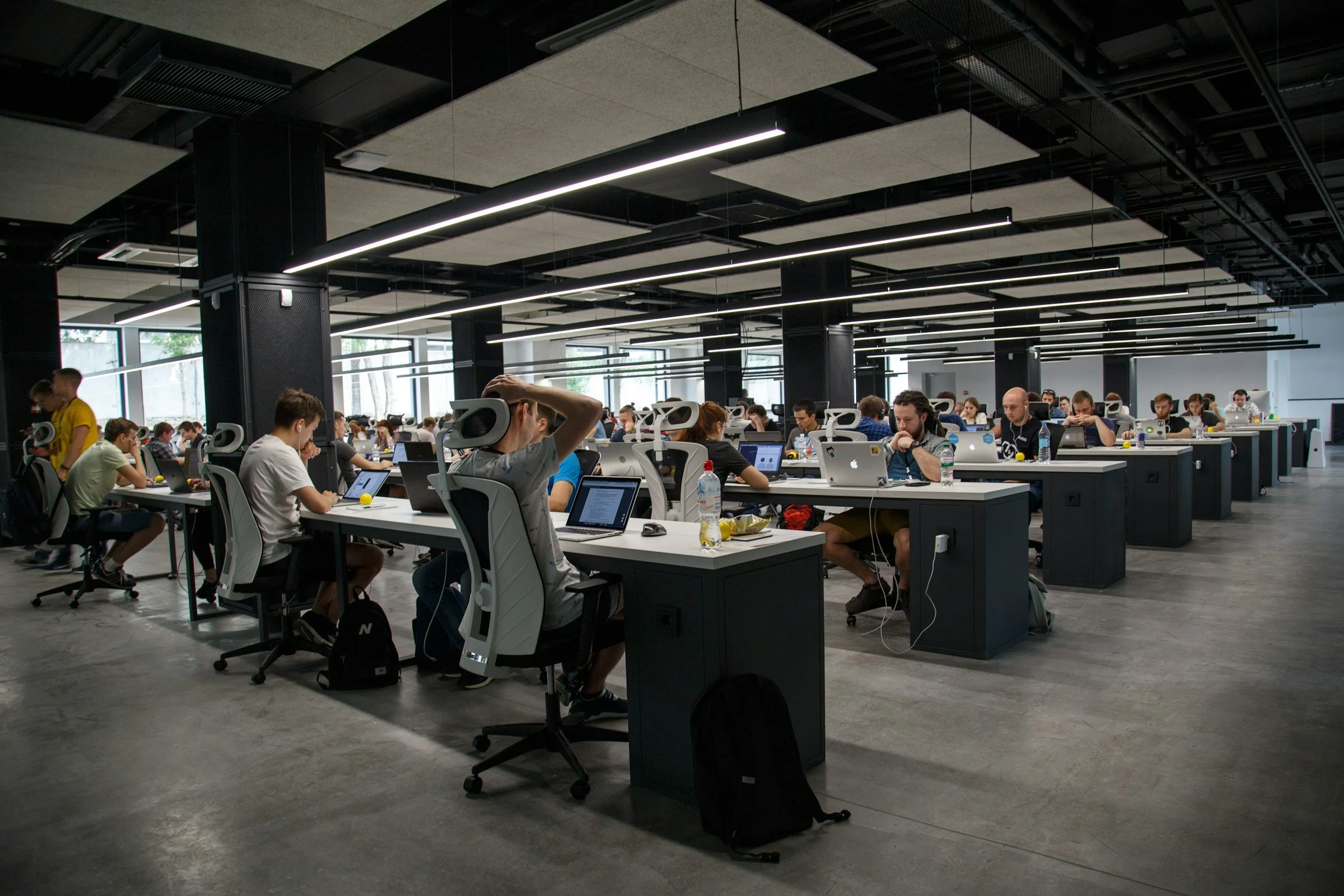
    Image courtesy: Frantic

    1. Poor Lighting and Circadian Disruption

    Most office lighting is uninspiring and confusing. Our circadian rhythms (our internal body clocks) are regulated by light exposure. Harsh overhead fluorescents or dim lighting with poor colour rendering can confuse this system, leading to fatigue, irritability, and poor sleep. When we don’t get enough exposure to bright, natural light during the day and aren’t shielded from disruptive light in the evening , our energy, mood, and performance all take a hit.

    Yet lighting is often treated as a purely aesthetic or cost-saving decision. This overlooks its powerful influence on hormones like melatonin and cortisol. In addition to the brightness, the timing, temperature (colour), and quality of light all matter. A well-lit space aligned with circadian needs can enhance alertness, reduce mistakes, and even improve recovery from stress.

    2. Lack of Variety in Spaces (Focus, Connection, Recharge)

    Human beings are not built to do one thing, in one posture, in one place, for eight hours a day. Yet many offices still rely on a one-size-fits-all design, rows of desks and maybe a few meeting rooms. This lack of variety silently works against wellbeing. Employees struggle to find places to focus deeply, connect meaningfully, or take a mindful pause.

    Without access to different environments for different modes of work (heads-down focus, social interaction, private reflection), employees feel either overstimulated or isolated. Over time, this depletes cognitive energy and can even raise stress hormones. High-performing teams need choice and control over how and where they work!

    3. Noise and Lack of Acoustic Control

    Sound is often the invisible stressor in offices. Constant noise from conversations, printers, HVAC systems, or even hallway chatter can increase cognitive load and stress levels, especially in open-plan settings. For many, especially introverts or neurodivergent employees, this sensory bombardment is exhausting.

    Poor acoustic design not only undermines focus and memory retention, it also impacts wellbeing on a physiological level. Chronic exposure to noise activates the body’s stress response, increasing heart rate and blood pressure. And ironically, trying to block it out with headphones can isolate people further and reduce opportunities for spontaneous collaboration. True acoustic wellbeing requires layered strategies including materials, layout and policies to support both privacy and connection.

    4. Over-Cluttered Layouts with No ‘Breathing Room’

    Many workplaces fall into the trap of trying to maximize every square foot, cramming in desks, storage, and equipment. But humans need visual and spatial relief, a room to breathe, both literally and psychologically. Cluttered environments can trigger low-grade anxiety and reduce our ability to process information effectively.

    When every surface is busy and every pathway tight, our nervous system stays subtly on alert. We process the space as “noisy,” even if it is quiet. This constant low-level stress impairs focus, creativity, and even emotional regulation. Thoughtful spatial design, incorporating negative space, clean lines, biophilic elements, and clear sightlines, helps calm the mind and support more restorative work.

    5. Mismatch Between Brand Values and Actual Space Experience

    This is one of the most overlooked disconnects: the gap between what a company says it stands for and what its physical environment feels like. A company may promote openness, sustainability, and wellbeing but if the office is dark, rigid, noisy, and outdated, the message doesn’t land.

    Employees are perceptive. They pick up on this cognitive dissonance, often subconsciously. It erodes trust and engagement. People want to feel that their workplace reflects shared values not just through messaging, but through the actual design of the environment as well. Whether it’s aligning materials with ESG goals, showcasing cultural diversity in artwork, or providing spaces for authentic connection, the physical space should reinforce the organization’s identity and care for its people.

    It is easy to overlook these environmental factors when assessing performance or engagement issues. But often, it is not just the people, it is the space. That is why I developed the Workplace Wellbeing Audit – a practical, research-informed scan that helps organizations assess their workplace environments and prioritize meaningful improvements.

    If you are curious how your workplace stacks up or want to align your environment more closely with your values and wellbeing goals, feel free to reach out. I would love to help you create a thriving workplace!

  • Elevate Your Home: 3 Design Elements to Introduce to your homes

    Elevate Your Home: 3 Design Elements to Introduce to your homes

    Elevate Your Home: 3 Design Elements to Introduce to your homes

    When it comes to transforming a house into a home, it’s the thoughtful design elements that make all the difference. Whether you’re renovating your current space or starting from scratch, incorporating architectural features like arches, mouldings, and niches can add character, elegance, and functionality to any room. Let’s talk about these in detail now.

    Arches

    Arches have been a staple of architectural design for centuries, gracing structures from ancient Rome to modern-day homes. Their graceful curves and timeless appeal can instantly elevate the aesthetic of any room. Whether you opt for a classic rounded arch or a more contemporary take with a squared-off design, incorporating arches into your home adds an element of sophistication and grandeur.

    Ways to Integrate Arches:

    1. Doorways and Passageways: Replace standard rectangular doorways with arched ones to create a sense of flow and continuity between rooms. Arched passageways can also visually expand a space, making it feel larger and more inviting.

    2. Windows: Frame your windows with elegant arches to enhance their visual impact and add architectural interest to the facade of your home. Arched windows can evoke a sense of romance and charm, particularly when paired with delicate curtains or window treatments.

    3. Built-in Shelving and Nooks: Incorporate arched niches or alcoves into your walls to create built-in shelving or display areas. These architectural features not only maximize storage space but also serve as focal points for showcasing artwork, decorative objects, or personal mementos.

    Mouldings/Covings: Ornate Details

    Mouldings, also knows as covings are the decorative trimmings that adorn walls, ceilings, and architectural elements, adding texture, depth, and visual interest to a space. From crown moulding to baseboards, these ornate details can elevate the overall aesthetic of your home and create a sense of refinement and sophistication.

    Types of Mouldings:

    1. Crown Moulding: Installed where the wall meets the ceiling, crown moulding adds a touch of elegance and architectural flair to any room. Choose from a variety of profiles and designs to complement your home’s style, whether it’s traditional, contemporary, or somewhere in between.

    2. Baseboards and Chair Rails: Baseboards run along the bottom of walls, covering the joint between the wall and the floor, while chair rails are installed horizontally along walls to protect them from furniture and add visual interest. Opt for mouldings with intricate patterns or detailing to make a bold statement or keep it simple for a more understated look.

    3. Door and Window Casings: Frame your doors and windows with decorative casings to enhance their architectural appeal and create a cohesive design scheme throughout your home. Choose mouldings that complement the style of your doors and windows, whether they’re sleek and modern or ornate and traditional.

    Niches: Functional Artistry


    Niches are recessed areas in walls or architectural features designed to showcase artwork, sculptures, or other decorative objects. They not only add visual interest to a room but also serve a practical purpose by providing a designated space for displaying cherished items.


    Ways to Utilize Niches:

    1. Art Displays: Install niches in your walls to create gallery-like displays for showcasing artwork, photographs, or sculptures. Illuminate them with recessed lighting to highlight your pieces and create a dramatic effect.

    2. Storage Solutions: Use niches as built-in storage solutions for books, decorative accessories, or even electronics. Install adjustable shelving or cabinets to customize the space according to your needs while keeping clutter at bay.

    Architectural Focal Points: Incorporate niches into architectural features such as columns, fireplaces, or staircases to add visual interest and create focal points within a room.

    Whether you’re aiming for a timeless look with classic arches and ornate mouldings or prefer a more contemporary style with clean lines and minimalist details, these architectural features offer endless possibilities for customization and personalization. So why not embark on a journey to transform your living space into a haven of elegance and sophistication?

  • Our Inner Selves and External Surroundings

    Our Inner Selves and External Surroundings

    Our Inner Selves and External Surroundings

    Modern lives are busy and we often tend to overlook the intricate relationship between our inner selves and the world around us. Our internal states and external environments are deeply linked, influencing each other in ways that can significantly impact our well-being. By understanding and nurturing this connection, we can not only cultivate a more peaceful and balanced life, but also lead a more fulfilling life.

    Credits: Belarf184
     

    Our inner selves or our core being encompass our thoughts, emotions, beliefs, and values. This inner world shapes our perceptions, decisions, and actions. When we are in tune with our inner selves, we experience a sense of balance and clarity. However, when our internal world is in turmoil, it often manifests in our external lives, leading to stress, confusion, and dissatisfaction. 

    The spaces we live in, the people we interact with, and the activities we engage in all play a role in shaping our inner experiences. A cluttered, chaotic environment can lead to feelings of anxiety and overwhelm, while a serene, orderly space can promote calmness and focus. The organization and aesthetics of our physical surroundings have a direct impact on our mental state. Clean, well-lit, and organized spaces can enhance our mood and productivity, whereas cluttered, dark, and disorganized spaces can lead to stress and distraction. 


    Credits:Nyugendhn
    To foster a harmonious connection between our inner selves and external surroundings, we must take intentional steps to align these aspects of our lives. Practicing mindfulness helps us become more aware of our inner states and how they are influenced by our surroundings. By being present in the moment, we can better understand and manage the interplay between our thoughts, emotions, and environment. Designing our living and working spaces to support our well-being is essential. This can involve simple action steps like decluttering, incorporating elements of nature, and creating areas dedicated to relaxation and reflection. Taking time to nurture our inner selves allows us to better cope with external challenges.

    The symbiotic relationship between our inner selves and external surroundings is a powerful force that shapes our overall well-being. By recognizing and nurturing this connection, we can create a life that is balanced, fulfilling, and harmonious. As we align our inner world with our external environment, we pave the way for a more serene and meaningful life. 

  • Infuse Your Home with Positive Energy Through Colors 

    Infuse Your Home with Positive Energy Through Colors 

    Infuse Your Home with Positive Energy Through Colors 

    One powerful way to enhance the ambiance of our lovely homes and elevate our mood is through the thoughtful use of colors. Each hue possesses its own unique energy, capable of influencing our emotions and perceptions. By consciously incorporating vibrant shades into our living spaces, we can cultivate an environment brimming with positive energy.  

    Warm tones like sunny yellows and passionate reds radiate energy and optimism, instantly uplifting spirits and fostering a sense of warmth and conviviality.

    Cool hues such as serene blues and tranquil greens evoke feelings of calmness, promoting relaxation and harmony within our surroundings.

    Incorporating pops of color through décor accents like throw pillows, rugs, and artwork can breathe new life into even the most mundane of rooms. These accents not only add visual interest but also serve as focal points, sparking joy and inviting positive energy into our homes.

    Experimenting with different color palettes allows us to express our creativity and individuality, transforming our living spaces into vibrant reflections of our personalities. As we navigate the ebb and flow of daily life, our homes serve as the basis of tranquillity and rejuvenation. By utilizing the transformative power of colors, we can infuse them with an abundance of positive energy, creating environments that nurture our well-being and inspire us to thrive. So, let us embrace the vibrant spectrum of colors and embark on a journey to cultivate homes that resonate with warmth, vitality, and boundless positivity. After all, a colorful life begins at home. 


    Would you like to discover the right colors for your home? Our free workbook is designed to guide you through this process, helping you uncover the perfect hues that resonate with your style and personality. Whether you’re drawn to soothing neutrals, bold statement colors, or anything in between, our workbook will provide you with reflective exercises and insights to figure out your color resonance. Download your free workbook today and embark on a colorful adventure!  


  • What Makes a Home Healthy? 

    What Makes a Home Healthy? 

    What Makes a Home Healthy? 

    Have you ever wondered what truly makes a home healthy? It’s not just about clean air and tidy spaces; it’s about creating an environment that nurtures both your body and mind. The essential elements of a healthy home, include comfort from physical feeling to mental well-being. It also includes how you can cultivate a space that reflects your unique personality and promotes holistic wellness.

    Physical Comfort 

    This cute little photo describes physical comfort in the best way. Doesn’t it? 😛

    Physical comfort is the foundation of a healthy home. It’s about creating spaces that support your body’s needs and promote relaxation and rejuvenation. This can include cozy furniture that invites you to unwind, ergonomic design features that alleviate strain and discomfort, and optimal lighting that enhances visibility and reduces eye strain. The air we breathe is also important while considering physical comfort, it should be pure, clean, and invigorating. With indoor air pollution on the rise, it’s essential to prioritize air quality through proper ventilation, filtration systems, and the use of non-toxic materials. .By prioritizing physical comfort, you’ll create a space where you can feel truly at ease and at home. 

    Mental Comfort 

    In addition to physical comfort, a healthy home also nurtures mental well-being. This involves creating a calming and stress-free environment that supports mental clarity and relaxation.  Natural light, soothing colors, and clutter-free spaces contribute to a sense of calm, while designated areas for relaxation, meditation, or hobbies offer opportunities for mental rejuvenation. Adding nature in your surroundings also promotes growth and wellbeing. House plants are a great way to create a rejuvenating vibe at home. By cultivating a positive atmosphere, a healthy home helps alleviate stress and promote emotional balance.  

    Holistic Aesthetics 

    The aesthetics of a home play a significant role in its overall health and wellbeing. A healthy home embraces overall aesthetics, striking a balance between form and function. Holistic aesthetics involve creating a cohesive and harmonious environment that engages all the senses and promotes a sense of balance and well-being. Thoughtful design choices, such as color schemes, materials, patterns and textures, enhance the visual appeal of the space while fostering a sense of harmony and order. By creating visually pleasing surroundings, a healthy home elevates the mood and enhances overall well-being. 

    Reflection of Your Personality 

    Finally, a healthy home is one that reflects your unique personality and lifestyle. Your home should be a reflection of who you are, filled with items that bring you joy and inspiration. This can include displaying cherished memories and artwork that hold sentimental value, incorporating elements of your hobbies and interests into your decor, and creating spaces that cater to your specific needs and preferences. By infusing your home with your personality, you’ll create a space that feels truly authentic and inviting. 

    A healthy home soothes you, brings you calm and  joy in addition to shelter and physical comfort. It brings you a sense of safety and tranquility to increase your overall wellbeing and quality of life.  So take the time to cultivate a home that nourishes and uplifts you, and watch as it becomes a source of joy and vitality in your life. 

  • Design Secrets: Make Small Spaces feel bigger 

    Design Secrets: Make Small Spaces feel bigger 

    Design Secrets: Make Small Spaces feel bigger 

    Do you wish your small room felt bigger? I have been there. Small spaces can be overwhelming, especially when we have to buy furniture or décor, as things can take up space and make our rooms look even smaller. But don’t worry! With some clever design tricks, even tiny spaces can feel spacious. Using a combination of practical design tips and creating illusion,  you can make the most of your small room.

    Credits:Unsplash

    1. Spatial Layout for free movement

    In a small room, the layout is key to maximizing both functionality and flow. I cannot emphasize enough on how much the furniture arrangement and space planning matters. Opt for a spatial layout that encourages free movement, allowing for easy navigation without feeling cramped or confined. Arrange furniture in a way that creates clear pathways and avoids obstructing natural traffic flow. By embracing an open layout, you’ll enhance the sense of expansiveness and freedom within the space, inviting relaxation and comfort.

    2. Vertical Lines for illusion of height

    One of the most effective ways to create the illusion of lofty ceilings is by employing vertical lines. Whether through paint, wallpaper, or architectural elements, vertical lines draw the eye upward, making the ceiling appear higher than it actually is. Consider incorporating striped wallpaper, battens, vertical lined wall panels or tall bookcases that emphasize height, instantly adding a sense of grandeur to your room. By elevating the visual plane, you’ll open up the space and create an atmosphere of spaciousness.

    3. Color Drenching for expanded view

    Color has the power to transform a room, and when used strategically, it can visually enhance the size of even the smallest space. Color drenching is a painting technique that involves saturating the room with a single, cohesive hue to create a seamless, uninterrupted expanse. Opt for light, airy colors such as soft blues, gentle greens, or creamy whites to bathe the room in luminosity and openness. By enveloping the space in a wash of color, you’ll blur the boundaries and make the room feel infinitely larger and more inviting.

    Credits:Littlegreen

    4. Less Is More

    In a small space, less is truly more when it comes to furniture and decor. Embrace a minimalist approach by selecting furnishings that are sleek, streamlined, and non-chaotic. Choose pieces with clean lines and slim profiles to minimize visual clutter and maximize visual space. Use multifunctional furniture that serves multiple purposes, such as a storage ottoman or a nesting coffee table. If you are going for bold or antique furniture, consider focusing on one highlighting furniture element in the room.   By keeping decor to a minimum and focusing on simplicity and functionality, you’ll create a serene environment that feels open, uncluttered, and effortlessly chic.

    Credits:Unsplash
     

    Transforming a small space to feel grand can be easily done by creating the illusion of space and openness. By incorporating vertical lines to elevate the ceiling, embracing a spatial layout that encourages free movement, utilizing color drenching to expand the horizons, and adopting minimalist decor principles, you can create a room that feels both spacious and stylish.

  • Home: The feeling ♥

    Home: The feeling ♥

    Home: The feeling ♥

    I can’t believe how attached I am to my last home and this view. Leaving it behind stirred up a whirlwind of emotions that I never expected. Despite diving deep into research on place attachment, nothing quite prepared me for the profound understanding which I am experiencing right now. Over the past few years, amidst all the ups and downs, this home had been my rock, embracing me through every moment.


    This view was my safe place. From sipping morning coffee to shedding a few tears, from being awestruck by the moon to witnessing enchanting rainbows, it never failed to captivate me. And those memories, they were so deeply woven into every corner, making this place feel like an extension of myself.

    Home isn’t just a structure; it’s a feeling, a refuge from the chaos of the world. How often do we truly appreciate the depth of our homes? They’re where we find comfort, safety, and solace. Think about those moments when coming home after a rough day brought instant relief, or when joyous news was celebrated within these walls. Those memories remind us of the profound impact a space can have on our lives.

    I believe our homes are more than just fancy architecture or striking interiors; they are the backdrop to our stories, the shelter from life’s storms, and the keeper of our most cherished memories. We just need to see them with a different perspective and they will pop-up with endless potential.

  • The Intersection of Minimalism and Mindful Design 

    The Intersection of Minimalism and Mindful Design 

    The Intersection of Minimalism and Mindful Design 

    In a world filled with constant stimuli and distractions, many people are turning to minimalism and mindful design as a way to create more peaceful and harmonious living spaces. While each has its distinct characteristics, they share a common thread of simplicity, intentionality, and a focus on the present moment. Let’s explore how minimalism and mindful design intersect and how they can transform your home into a sanctuary of tranquillity. 

    Understanding Minimalism 

    Minimalism is more than just a design trend; it’s a lifestyle choice that advocates for living with less. At its core, minimalism encourages us to declutter our lives, both physically and mentally, by eliminating excess and focusing on what truly matters. In design, this may translate to clean lines, uncluttered spaces, and a neutral colour palette that creates a sense of calm and serenity. 

    The Principles of Mindful Design 

    Mindful design, on the other hand, is rooted in the practice of mindfulness – the art of being fully present and aware of our thoughts, feelings, and surroundings. Mindful design seeks to create spaces that promote this state of mindfulness, using elements such as natural light, organic materials, and a harmonious flow of energy to cultivate a sense of peace and balance. Mindful design takes into consideration every small detail, catering to the four major senses surrounding us (i.e., sight, smell, feel, sound).

    Creating a Minimalist, Mindful Home !

    1. Declutter and Organize

      To incorporate the principles of minimalism and mindful design into your home, start by decluttering and simplifying your space. Remove any items that don’t serve a purpose or bring you joy, and focus on creating a sense of openness and clarity.

    2. Embrace Natural Elements 

      Incorporating natural elements such as wood, stone, and plants can help create a sense of warmth and connection to the natural world. These elements can also help improve air quality and create a more peaceful and inviting atmosphere. 

    3. Mindfully Use Colour, Natural Light and Texture

      Choose a soft, neutral colour palette and incorporate textures that evoke a sense of comfort, cosiness, a sense of calm, and serenity. Use natural light whenever possible, and consider adding dimmer switches or curtains to control the amount of light in your area. Additionally, consider the way different materials feel to the touch and how they can contribute to the overall ambiance of your space. 

    4. Create Functional, Intentional Spaces 

      Incorporate furniture and decor that serve a purpose and are thoughtfully placed to enhance the flow and functionality of your space. Avoid overcrowding your rooms with unnecessary items, and create areas dedicated to specific activities, moods or purposes. 

    5. Cultivate the Habit of Mindfulness

      Finally, remember that mindfulness is not just about your physical space, but also about your mindset. Take time each day to practice mindfulness through meditation, and yoga. Be present in the moment and create moments of stillness and reflection in your home, and use your space as a reminder to be present and intentional in all that you do.  

    The intersection of minimalism and mindful design offers a powerful framework for creating living spaces that are not only beautiful and functional but also nurturing to the mind, body, and spirit. By embracing these principles, you can transform your home into a sanctuary of tranquillity and find harmony in the midst

  • Creating a Haven: The Importance of Relaxation Zones at Home 

    Creating a Haven: The Importance of Relaxation Zones at Home 

    Creating a Haven: The Importance of Relaxation Zones at Home 

    Well, we all have busy lives, don’t we? In these extremely busy times, finding moments to unwind and relax is so essential for maintaining mental and physical well-being. Creating relaxation zones within our homes can provide a sanctuary from the stresses of daily life. These dedicated spaces can help us recharge, rejuvenate, and improve our overall quality of life. Let’s go deeper to understand the importance of relaxation zones and how to create them: 

    Separating living and relaxation zones at home 

    Functional zoning involves dividing your home into different areas based on their intended use. This includes workspaces, relaxation zones, fitness areas, and spaces for other activities. By clearly defining these zones, you can create a more organized atmosphere for energizing and winding down.

    Relaxation zones are designated areas within your home that are intentionally designed to promote rest and comfort. These areas are distinct from the rest of the living space and are tailored to suit individual preferences for unwinding. These zones offer a retreat from the demands of daily life, allowing you to relax, destress, and recharge. Having a designated resting area can also help improve sleep quality and reduce feelings of anxiety and depression. 

    Courtesy: Katie Barrett

    Let’s create serene Relaxation Zones 

    To make your relaxation zones more serene, consider incorporating elements such as soft lighting, comfortable seating, and soothing colours. These elements can help create a calm and inviting atmosphere that encourages relaxation.  

    • Tech-Free Zones 

    Incorporating tech-free zones within your relaxation areas can help you disconnect from digital distractions and focus on being present in the moment. Consider designating these areas as “tech-free zones” to promote a peaceful and serene environment. 

    • Adding Greenery 

    Adding plants to your relaxation zones can help improve air quality and create a more natural and calming atmosphere. Plants can also help reduce stress and increase feelings of well-being. 

    • Creating Breathable Space 

    To create a breathable space, consider incorporating elements such as open floor plans, ample natural light, and good ventilation. These elements can help create a sense of openness and airiness. 

    • Incorporating Textures and Materials 

    Textures and materials play a crucial role in creating a comfortable and inviting space. Consider using soft fabrics, natural materials, and cozy textures to enhance the comfort and appeal of your relaxation zones. 

    Credits: Nathan Dumlao
     

    By creating designated areas within your home that are tailored to promote relaxation, you can create your personal sanctuary where you can unwind, destress, and recharge. Whether it’s a cozy reading nook, a tranquil garden, or a soothing spa-like bathroom, investing in relaxation zones can have a profound impact on your overall quality of life. 

  • Well-Being : A Holistic Approach  

    Well-Being : A Holistic Approach  

    Well-Being : A Holistic Approach  

    The concept of well-being holds significant importance in our lives, encompassing not only physical, but also emotional, social, and spiritual aspects. Understanding the meaning of well-being involves recognizing its connection to these different facets of life and how they contribute to our overall health and happiness. 

    Well-being is holistic and embraces an overall quality of life. Physical well-being involves taking care of our bodies through proper nutrition, exercise, and rest. Emotional well-being, on the other hand, involves managing stress, emotions, and mental health. Social well-being relates to our relationships and interactions with others, fostering a sense of belonging and connection. Furthermore, spiritual well-being involves finding meaning and purpose in life, which can contribute to our overall sense of fulfilment and happiness. 


    Credits: Jared Rice

    Our surroundings and well-being 

    Our surroundings play a crucial role in our overall well-being. A cluttered or chaotic environment can contribute to stress and anxiety, while a clean and organized space can promote feelings of calm and relaxation. Being mindful of our surroundings and creating a space that promotes well-being can have a positive impact on our mental and emotional health. 

    Decluttering and minimalism are concepts that have gained popularity in recent years, and for good reason. They promote the idea of simplifying our lives and focusing on what truly matters. By decluttering our physical space and adopting a minimalist lifestyle, we can create a more peaceful and harmonious environment. 

    There is especially a strong link between our physical surroundings and mental well-being. Research has shown that aspects of our environment, such as natural light, access to green spaces, and ergonomic design, can affect our mood and mental health. By creating a space conducive to well-being, we can improve our  quality of life.

    Credits: M. Grootes

    Living mindfully  

    Being mindful involves being present in the moment and making conscious choices that promote our well-being. This can include practices such as meditation, yoga, and mindfulness, which can help reduce stress and improve our overall mental and emotional health. By incorporating these practices into our daily lives, we can cultivate a greater sense of comfort and live more fulfilling lives. 

    Well-being is thus a multifaceted concept that encompasses various aspects of our lives. By recognizing the connection between different aspects of well-being, our surroundings, and living mindfully, we can take steps to improve our health and happiness. 

    Want to know more about mindful surroundings and how you can benefit from it? Contact us!