Author: Malak .
-
What Makes a Home Healthy?
The Mindful Scapes
What Makes a Home Healthy?
Have you ever wondered what truly makes a home healthy? It’s not just about clean air and tidy spaces; it’s about creating an environment that nurtures both your body and mind. The essential elements of a healthy home, include comfort from physical feeling to mental well-being. It also includes how you can cultivate a space that reflects your unique personality and promotes holistic wellness.
Physical Comfort
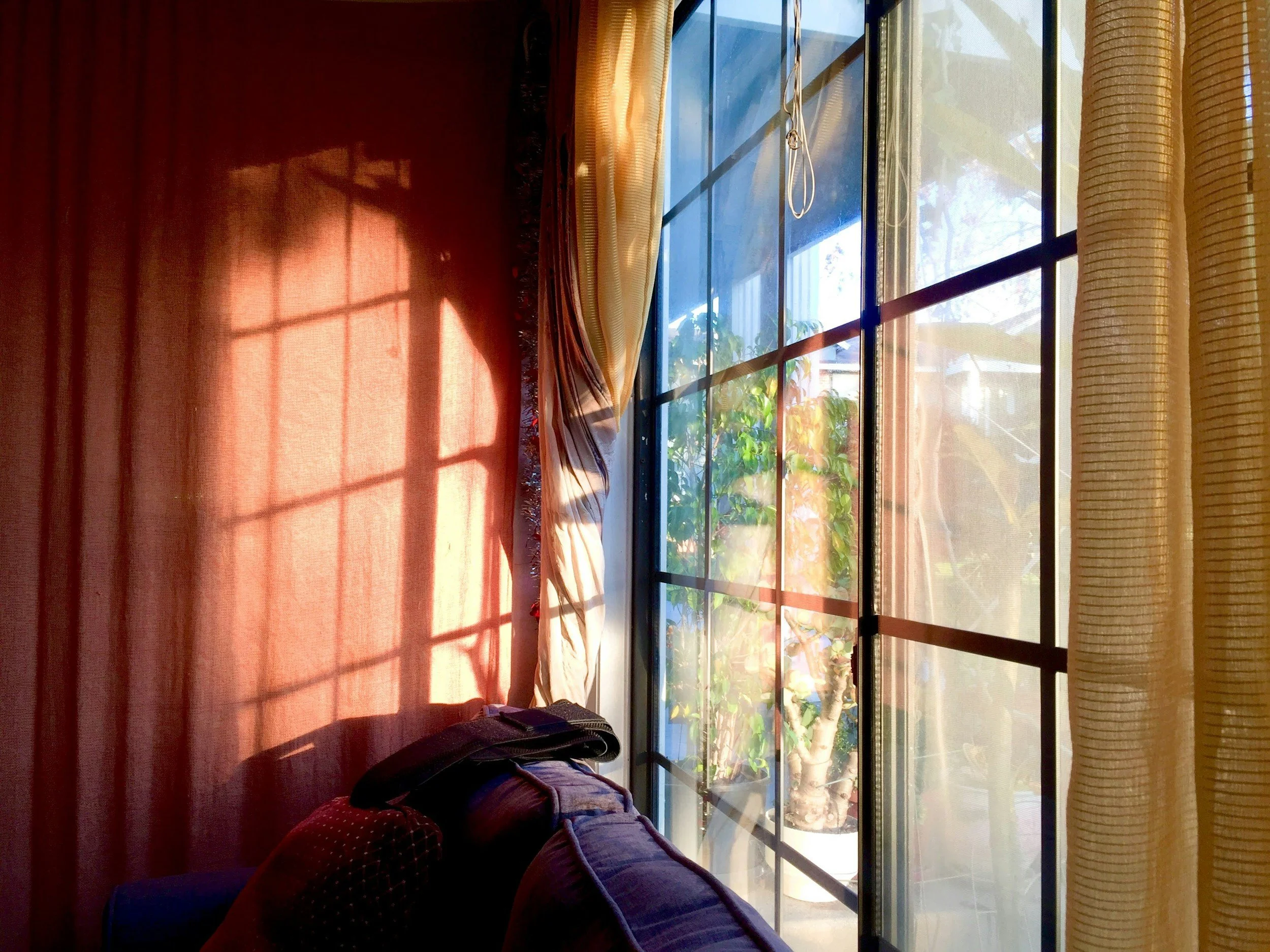
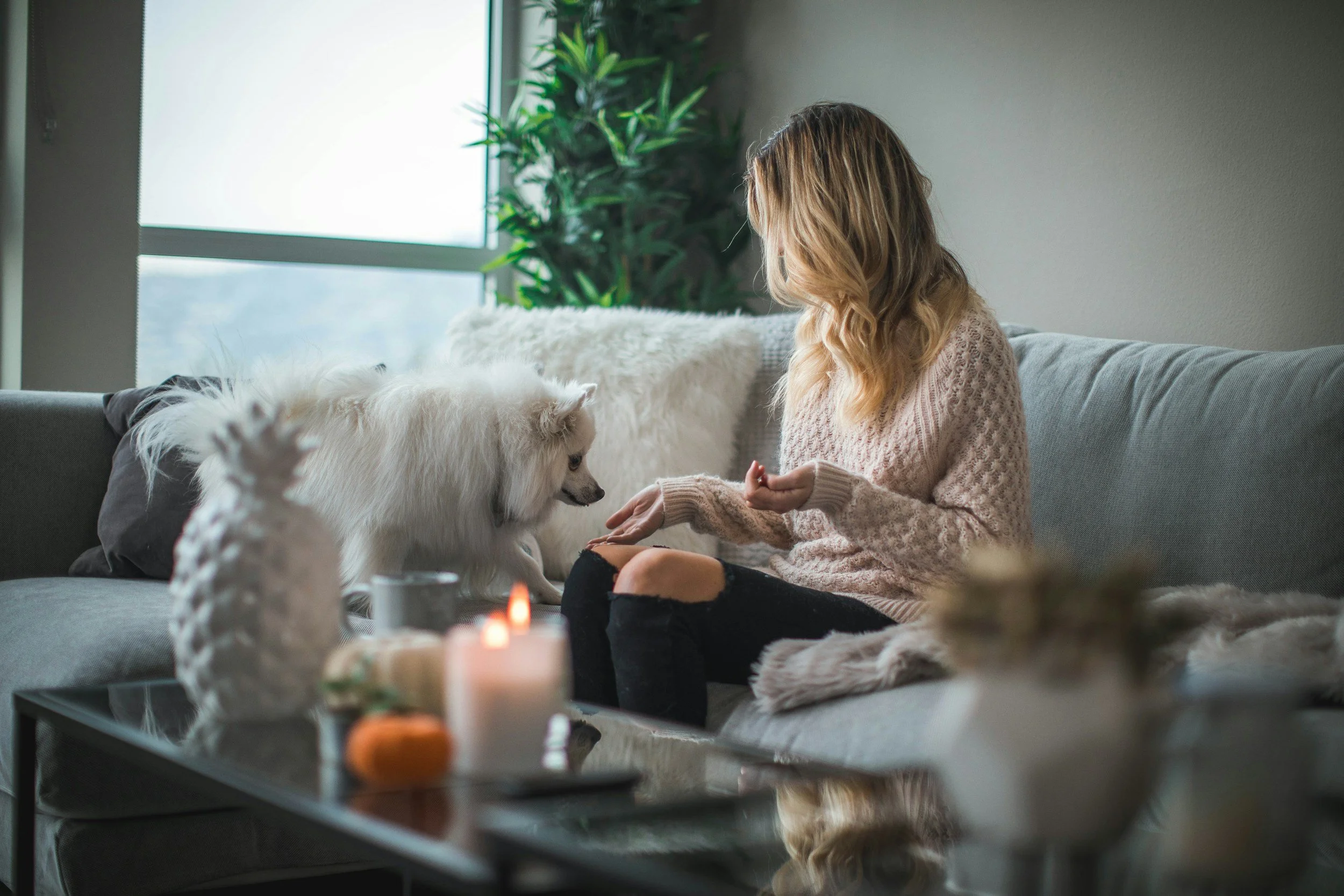
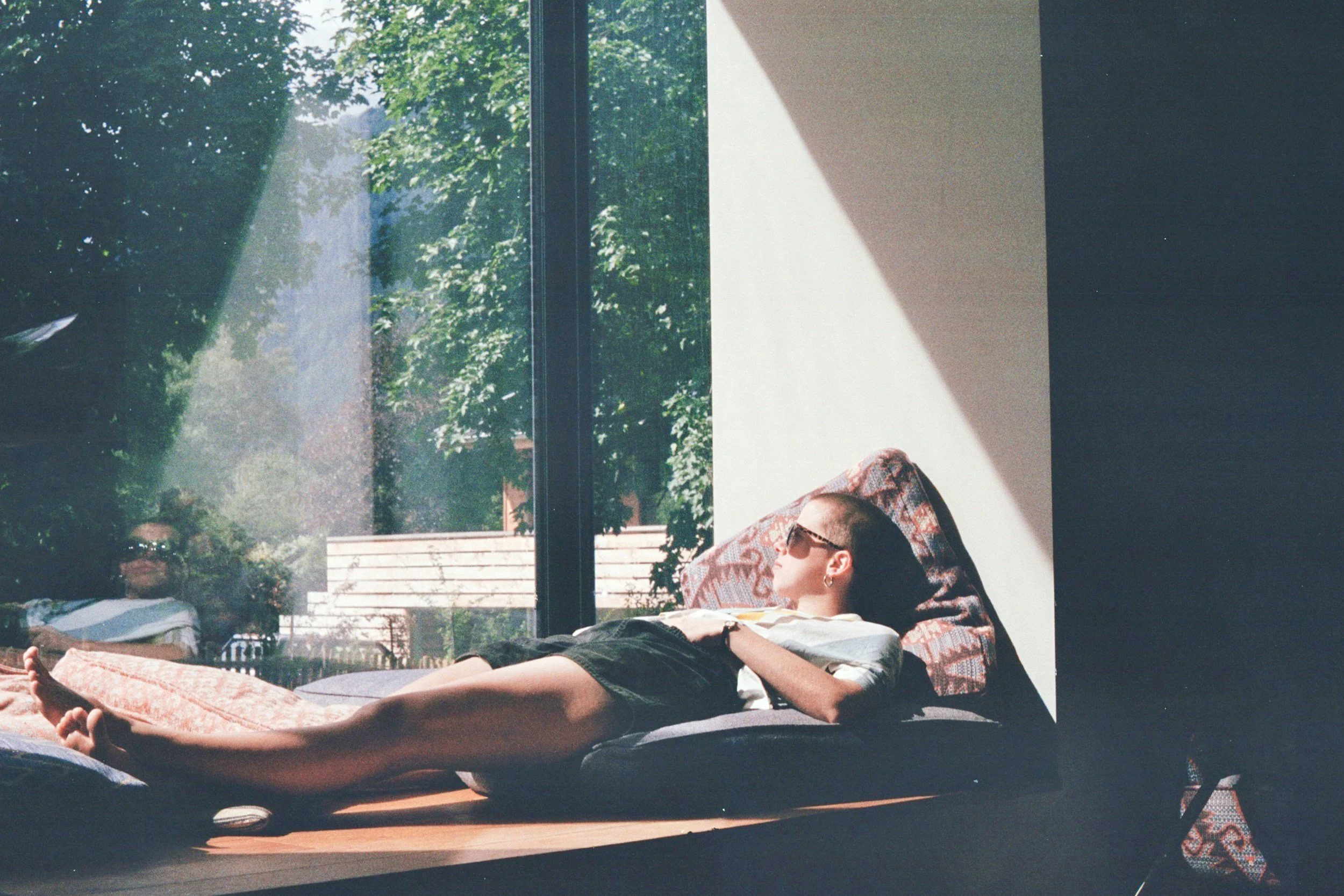
This cute little photo describes physical comfort in the best way. Doesn’t it? 😛
Physical comfort is the foundation of a healthy home. It’s about creating spaces that support your body’s needs and promote relaxation and rejuvenation. This can include cozy furniture that invites you to unwind, ergonomic design features that alleviate strain and discomfort, and optimal lighting that enhances visibility and reduces eye strain. The air we breathe is also important while considering physical comfort, it should be pure, clean, and invigorating. With indoor air pollution on the rise, it’s essential to prioritize air quality through proper ventilation, filtration systems, and the use of non-toxic materials. .By prioritizing physical comfort, you’ll create a space where you can feel truly at ease and at home.

Mental Comfort
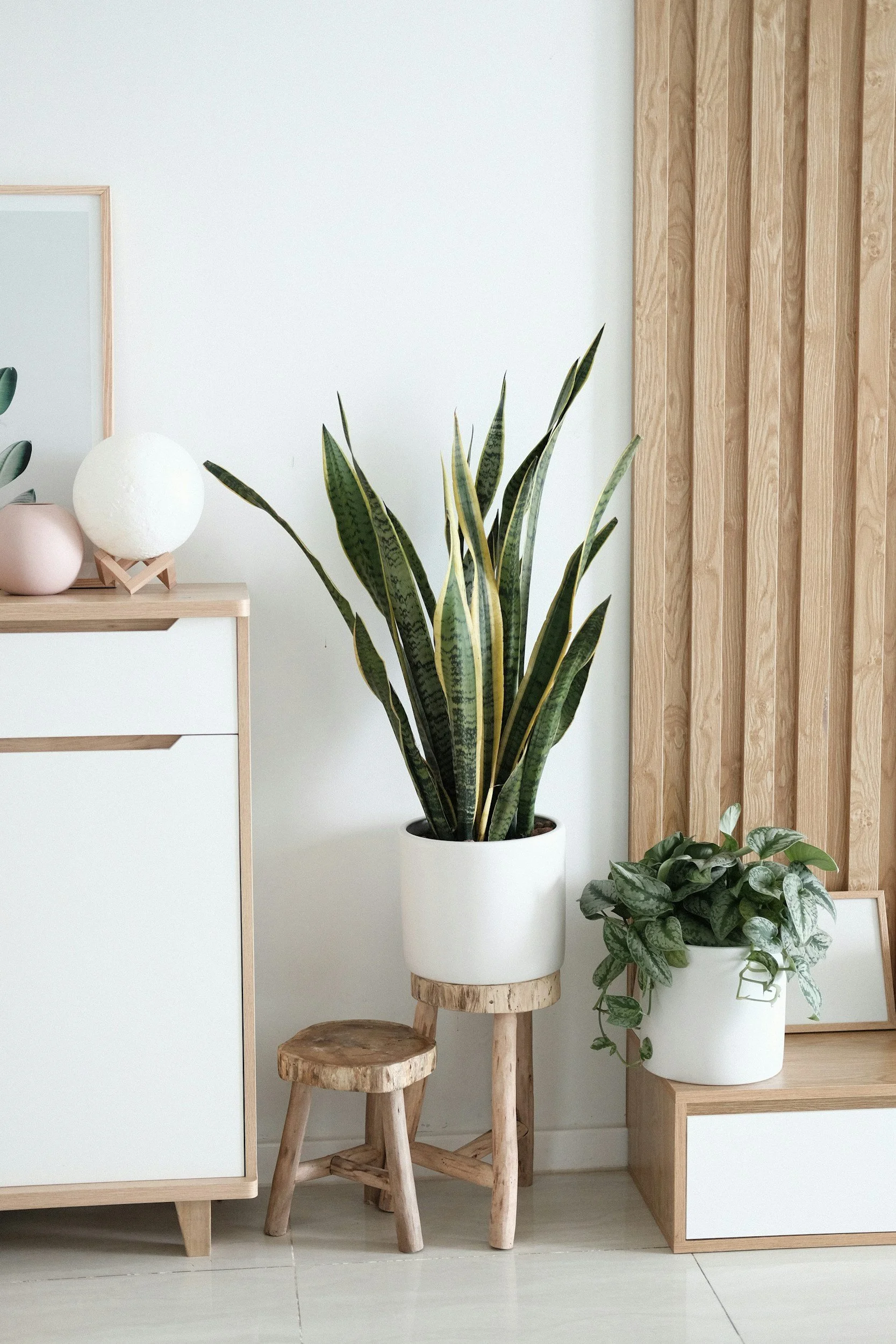
In addition to physical comfort, a healthy home also nurtures mental well-being. This involves creating a calming and stress-free environment that supports mental clarity and relaxation. Natural light, soothing colors, and clutter-free spaces contribute to a sense of calm, while designated areas for relaxation, meditation, or hobbies offer opportunities for mental rejuvenation. Adding nature in your surroundings also promotes growth and wellbeing. House plants are a great way to create a rejuvenating vibe at home. By cultivating a positive atmosphere, a healthy home helps alleviate stress and promote emotional balance.

Holistic Aesthetics
The aesthetics of a home play a significant role in its overall health and wellbeing. A healthy home embraces overall aesthetics, striking a balance between form and function. Holistic aesthetics involve creating a cohesive and harmonious environment that engages all the senses and promotes a sense of balance and well-being. Thoughtful design choices, such as color schemes, materials, patterns and textures, enhance the visual appeal of the space while fostering a sense of harmony and order. By creating visually pleasing surroundings, a healthy home elevates the mood and enhances overall well-being.

Reflection of Your Personality
Finally, a healthy home is one that reflects your unique personality and lifestyle. Your home should be a reflection of who you are, filled with items that bring you joy and inspiration. This can include displaying cherished memories and artwork that hold sentimental value, incorporating elements of your hobbies and interests into your decor, and creating spaces that cater to your specific needs and preferences. By infusing your home with your personality, you’ll create a space that feels truly authentic and inviting.

A healthy home soothes you, brings you calm and joy in addition to shelter and physical comfort. It brings you a sense of safety and tranquility to increase your overall wellbeing and quality of life. So take the time to cultivate a home that nourishes and uplifts you, and watch as it becomes a source of joy and vitality in your life.

THE MINDFUL SCAPES
Stay in touch!
Copyright © 2025 The Mindful Scapes All Rights Reserved.
-
Design Secrets: Make Small Spaces feel bigger
The Mindful Scapes
Design Secrets: Make Small Spaces feel bigger
Do you wish your small room felt bigger? I have been there. Small spaces can be overwhelming, especially when we have to buy furniture or décor, as things can take up space and make our rooms look even smaller. But don’t worry! With some clever design tricks, even tiny spaces can feel spacious. Using a combination of practical design tips and creating illusion, you can make the most of your small room.

Credits:Unsplash 1. Spatial Layout for free movement
In a small room, the layout is key to maximizing both functionality and flow. I cannot emphasize enough on how much the furniture arrangement and space planning matters. Opt for a spatial layout that encourages free movement, allowing for easy navigation without feeling cramped or confined. Arrange furniture in a way that creates clear pathways and avoids obstructing natural traffic flow. By embracing an open layout, you’ll enhance the sense of expansiveness and freedom within the space, inviting relaxation and comfort.
2. Vertical Lines for illusion of height
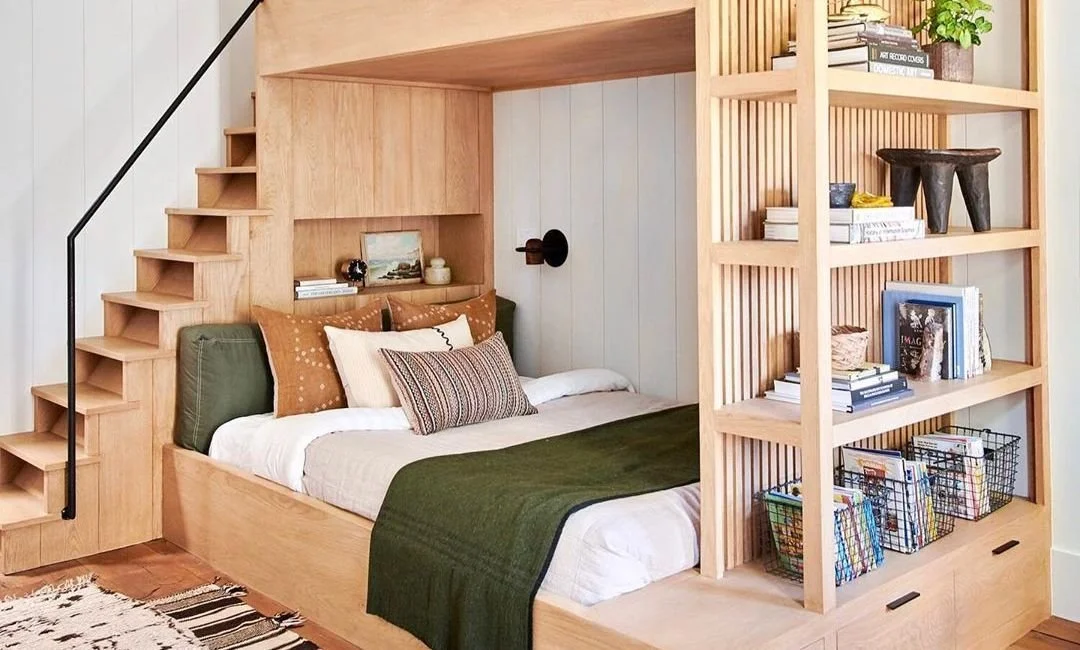
One of the most effective ways to create the illusion of lofty ceilings is by employing vertical lines. Whether through paint, wallpaper, or architectural elements, vertical lines draw the eye upward, making the ceiling appear higher than it actually is. Consider incorporating striped wallpaper, battens, vertical lined wall panels or tall bookcases that emphasize height, instantly adding a sense of grandeur to your room. By elevating the visual plane, you’ll open up the space and create an atmosphere of spaciousness.
3. Color Drenching for expanded view
Color has the power to transform a room, and when used strategically, it can visually enhance the size of even the smallest space. Color drenching is a painting technique that involves saturating the room with a single, cohesive hue to create a seamless, uninterrupted expanse. Opt for light, airy colors such as soft blues, gentle greens, or creamy whites to bathe the room in luminosity and openness. By enveloping the space in a wash of color, you’ll blur the boundaries and make the room feel infinitely larger and more inviting.

Credits:Littlegreen 4. Less Is More
In a small space, less is truly more when it comes to furniture and decor. Embrace a minimalist approach by selecting furnishings that are sleek, streamlined, and non-chaotic. Choose pieces with clean lines and slim profiles to minimize visual clutter and maximize visual space. Use multifunctional furniture that serves multiple purposes, such as a storage ottoman or a nesting coffee table. If you are going for bold or antique furniture, consider focusing on one highlighting furniture element in the room. By keeping decor to a minimum and focusing on simplicity and functionality, you’ll create a serene environment that feels open, uncluttered, and effortlessly chic.

Credits:Unsplash Transforming a small space to feel grand can be easily done by creating the illusion of space and openness. By incorporating vertical lines to elevate the ceiling, embracing a spatial layout that encourages free movement, utilizing color drenching to expand the horizons, and adopting minimalist decor principles, you can create a room that feels both spacious and stylish.
THE MINDFUL SCAPES
Stay in touch!
Copyright © 2025 The Mindful Scapes All Rights Reserved.
-

Home: The feeling ♥
The Mindful Scapes
Home: The feeling ♥
I can’t believe how attached I am to my last home and this view. Leaving it behind stirred up a whirlwind of emotions that I never expected. Despite diving deep into research on place attachment, nothing quite prepared me for the profound understanding which I am experiencing right now. Over the past few years, amidst all the ups and downs, this home had been my rock, embracing me through every moment.

This view was my safe place. From sipping morning coffee to shedding a few tears, from being awestruck by the moon to witnessing enchanting rainbows, it never failed to captivate me. And those memories, they were so deeply woven into every corner, making this place feel like an extension of myself.

Home isn’t just a structure; it’s a feeling, a refuge from the chaos of the world. How often do we truly appreciate the depth of our homes? They’re where we find comfort, safety, and solace. Think about those moments when coming home after a rough day brought instant relief, or when joyous news was celebrated within these walls. Those memories remind us of the profound impact a space can have on our lives.
I believe our homes are more than just fancy architecture or striking interiors; they are the backdrop to our stories, the shelter from life’s storms, and the keeper of our most cherished memories. We just need to see them with a different perspective and they will pop-up with endless potential.
THE MINDFUL SCAPES
Stay in touch!
Copyright © 2025 The Mindful Scapes All Rights Reserved.
-
The Intersection of Minimalism and Mindful Design
The Mindful Scapes
The Intersection of Minimalism and Mindful Design
In a world filled with constant stimuli and distractions, many people are turning to minimalism and mindful design as a way to create more peaceful and harmonious living spaces. While each has its distinct characteristics, they share a common thread of simplicity, intentionality, and a focus on the present moment. Let’s explore how minimalism and mindful design intersect and how they can transform your home into a sanctuary of tranquillity.
Understanding Minimalism
Minimalism is more than just a design trend; it’s a lifestyle choice that advocates for living with less. At its core, minimalism encourages us to declutter our lives, both physically and mentally, by eliminating excess and focusing on what truly matters. In design, this may translate to clean lines, uncluttered spaces, and a neutral colour palette that creates a sense of calm and serenity.
The Principles of Mindful Design
Mindful design, on the other hand, is rooted in the practice of mindfulness – the art of being fully present and aware of our thoughts, feelings, and surroundings. Mindful design seeks to create spaces that promote this state of mindfulness, using elements such as natural light, organic materials, and a harmonious flow of energy to cultivate a sense of peace and balance. Mindful design takes into consideration every small detail, catering to the four major senses surrounding us (i.e., sight, smell, feel, sound).
Creating a Minimalist, Mindful Home !
Declutter and Organize
To incorporate the principles of minimalism and mindful design into your home, start by decluttering and simplifying your space. Remove any items that don’t serve a purpose or bring you joy, and focus on creating a sense of openness and clarity.
Embrace Natural Elements
Incorporating natural elements such as wood, stone, and plants can help create a sense of warmth and connection to the natural world. These elements can also help improve air quality and create a more peaceful and inviting atmosphere.
Mindfully Use Colour, Natural Light and Texture
Choose a soft, neutral colour palette and incorporate textures that evoke a sense of comfort, cosiness, a sense of calm, and serenity. Use natural light whenever possible, and consider adding dimmer switches or curtains to control the amount of light in your area. Additionally, consider the way different materials feel to the touch and how they can contribute to the overall ambiance of your space.
Create Functional, Intentional Spaces
Incorporate furniture and decor that serve a purpose and are thoughtfully placed to enhance the flow and functionality of your space. Avoid overcrowding your rooms with unnecessary items, and create areas dedicated to specific activities, moods or purposes.
Cultivate the Habit of Mindfulness
Finally, remember that mindfulness is not just about your physical space, but also about your mindset. Take time each day to practice mindfulness through meditation, and yoga. Be present in the moment and create moments of stillness and reflection in your home, and use your space as a reminder to be present and intentional in all that you do.
The intersection of minimalism and mindful design offers a powerful framework for creating living spaces that are not only beautiful and functional but also nurturing to the mind, body, and spirit. By embracing these principles, you can transform your home into a sanctuary of tranquillity and find harmony in the midst
THE MINDFUL SCAPES
Stay in touch!
Copyright © 2025 The Mindful Scapes All Rights Reserved.
-
Creating a Haven: The Importance of Relaxation Zones at Home
The Mindful Scapes
Creating a Haven: The Importance of Relaxation Zones at Home
Well, we all have busy lives, don’t we? In these extremely busy times, finding moments to unwind and relax is so essential for maintaining mental and physical well-being. Creating relaxation zones within our homes can provide a sanctuary from the stresses of daily life. These dedicated spaces can help us recharge, rejuvenate, and improve our overall quality of life. Let’s go deeper to understand the importance of relaxation zones and how to create them:
Separating living and relaxation zones at home
Functional zoning involves dividing your home into different areas based on their intended use. This includes workspaces, relaxation zones, fitness areas, and spaces for other activities. By clearly defining these zones, you can create a more organized atmosphere for energizing and winding down.
Relaxation zones are designated areas within your home that are intentionally designed to promote rest and comfort. These areas are distinct from the rest of the living space and are tailored to suit individual preferences for unwinding. These zones offer a retreat from the demands of daily life, allowing you to relax, destress, and recharge. Having a designated resting area can also help improve sleep quality and reduce feelings of anxiety and depression.

Courtesy: Katie Barrett Let’s create serene Relaxation Zones
To make your relaxation zones more serene, consider incorporating elements such as soft lighting, comfortable seating, and soothing colours. These elements can help create a calm and inviting atmosphere that encourages relaxation.
-
Tech-Free Zones
Incorporating tech-free zones within your relaxation areas can help you disconnect from digital distractions and focus on being present in the moment. Consider designating these areas as “tech-free zones” to promote a peaceful and serene environment.
-
Adding Greenery
Adding plants to your relaxation zones can help improve air quality and create a more natural and calming atmosphere. Plants can also help reduce stress and increase feelings of well-being.
-
Creating Breathable Space
To create a breathable space, consider incorporating elements such as open floor plans, ample natural light, and good ventilation. These elements can help create a sense of openness and airiness.
-
Incorporating Textures and Materials
Textures and materials play a crucial role in creating a comfortable and inviting space. Consider using soft fabrics, natural materials, and cozy textures to enhance the comfort and appeal of your relaxation zones.

Credits: Nathan Dumlao By creating designated areas within your home that are tailored to promote relaxation, you can create your personal sanctuary where you can unwind, destress, and recharge. Whether it’s a cozy reading nook, a tranquil garden, or a soothing spa-like bathroom, investing in relaxation zones can have a profound impact on your overall quality of life.
THE MINDFUL SCAPES
Stay in touch!
Copyright © 2025 The Mindful Scapes All Rights Reserved.
-
-

Well-Being : A Holistic Approach
The Mindful Scapes
Well-Being : A Holistic Approach
The concept of well-being holds significant importance in our lives, encompassing not only physical, but also emotional, social, and spiritual aspects. Understanding the meaning of well-being involves recognizing its connection to these different facets of life and how they contribute to our overall health and happiness.
Well-being is holistic and embraces an overall quality of life. Physical well-being involves taking care of our bodies through proper nutrition, exercise, and rest. Emotional well-being, on the other hand, involves managing stress, emotions, and mental health. Social well-being relates to our relationships and interactions with others, fostering a sense of belonging and connection. Furthermore, spiritual well-being involves finding meaning and purpose in life, which can contribute to our overall sense of fulfilment and happiness.

Credits: Jared Rice Our surroundings and well-being
Our surroundings play a crucial role in our overall well-being. A cluttered or chaotic environment can contribute to stress and anxiety, while a clean and organized space can promote feelings of calm and relaxation. Being mindful of our surroundings and creating a space that promotes well-being can have a positive impact on our mental and emotional health.
Decluttering and minimalism are concepts that have gained popularity in recent years, and for good reason. They promote the idea of simplifying our lives and focusing on what truly matters. By decluttering our physical space and adopting a minimalist lifestyle, we can create a more peaceful and harmonious environment.
There is especially a strong link between our physical surroundings and mental well-being. Research has shown that aspects of our environment, such as natural light, access to green spaces, and ergonomic design, can affect our mood and mental health. By creating a space conducive to well-being, we can improve our quality of life.

Credits: M. Grootes Living mindfully
Being mindful involves being present in the moment and making conscious choices that promote our well-being. This can include practices such as meditation, yoga, and mindfulness, which can help reduce stress and improve our overall mental and emotional health. By incorporating these practices into our daily lives, we can cultivate a greater sense of comfort and live more fulfilling lives.
Well-being is thus a multifaceted concept that encompasses various aspects of our lives. By recognizing the connection between different aspects of well-being, our surroundings, and living mindfully, we can take steps to improve our health and happiness.
Want to know more about mindful surroundings and how you can benefit from it? Contact us!
THE MINDFUL SCAPES
Stay in touch!
Copyright © 2025 The Mindful Scapes All Rights Reserved.
-
Exploring Wall Art: Cultivating Inspiration and Reflection
The Mindful Scapes
Exploring Wall Art: Cultivating Inspiration and Reflection
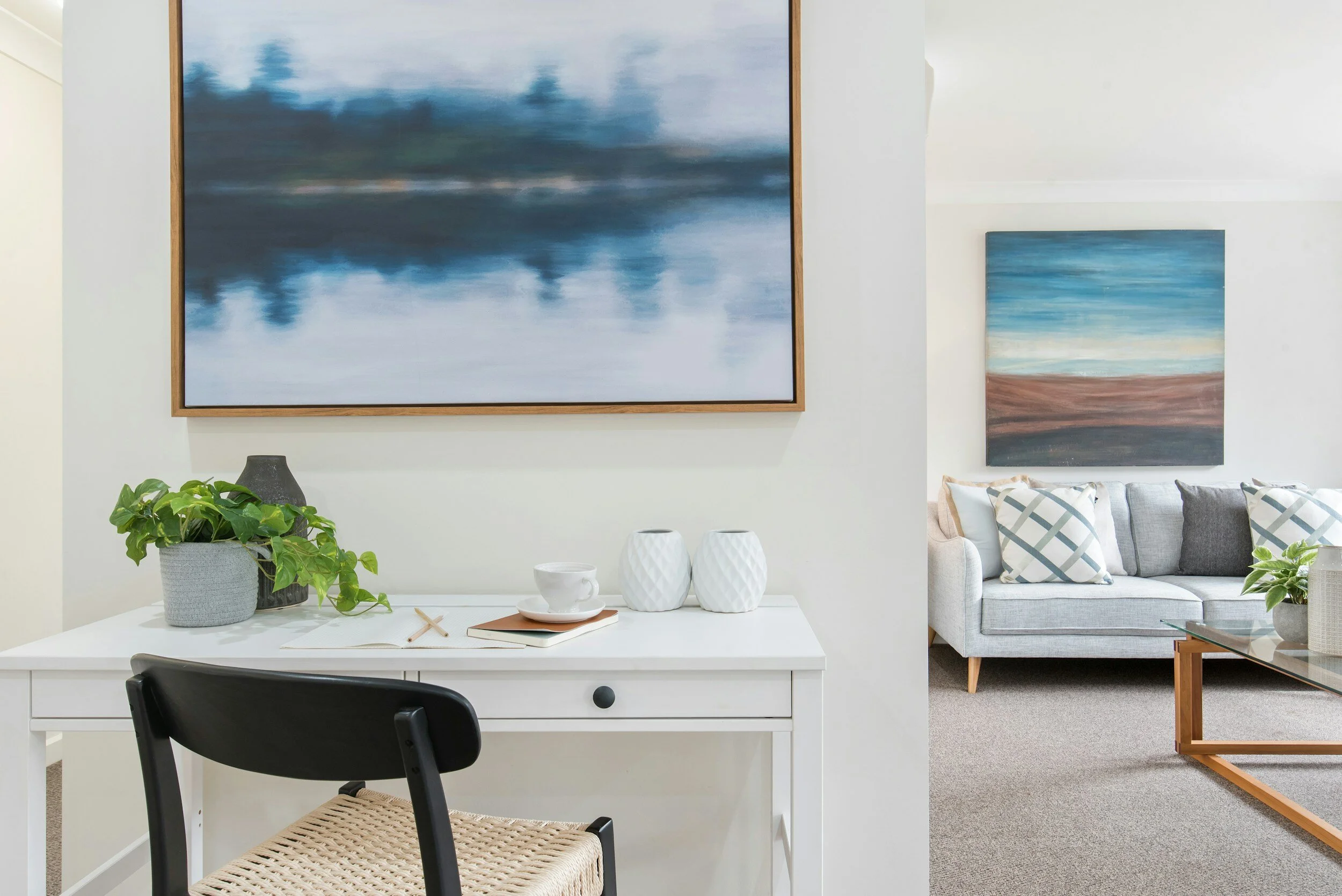
Here we delve into the transformative power of wall art in our living spaces. Our homes are sanctuaries that reflect our inner selves, and wall art plays a pivotal role in this reflection. We will examine how art can evoke emotions, inspire creativity, transform our living environments into personal sanctuaries, and enrich our lives with beauty and meaning.

The impact of wall art in our homes and spaces
Wall art can have a deep impact on the emotional atmosphere and overall vibe of our homes and spaces. The choice of art, whether it’s paintings, prints, photographs, or other forms of artwork – can evoke a range of emotions and set the tone for the room. For example, vibrant and colorful artwork can create a lively and energetic feel, while soothing landscapes or abstract pieces can promote a sense of calm and relaxation. The subject matter and style of the art can also reflect the personality and interests of the occupants, adding a personal touch to the space. Additionally, strategically placed art can draw the eye and create focal points, enhancing the visual appeal and overall ambiance of the room. Ultimately, wall art plays a significant role in shaping the emotional and aesthetic experience of our living environments, contributing to a sense of comfort, inspiration, and identity.
Various types of wall art
Presented in many forms, wall art offers a distinctive way to adorn our living spaces in many ways. Traditional paintings, prints, and photographs create a wide range of styles from classic to contemporary. They are affordable options that can still make a statement, add a personal touch, and create a gallery-like feel. Beyond these are exciting options like mixed-media collages, where various materials blend to create textured and dynamic pieces. Sculptural wall art, such as metal or wood installations, adds a three-dimensional element, casting intriguing shadows and playing with light. Textile art, including macramé, woven hangings, and fabric panels, introduces softness and intricate patterns, lending a cozy, bohemian vibe. For a whimsical touch, wall decals and stickers offer a playful, easily changeable option, ideal for adding bursts of color or personal flair. These diverse forms of wall art allow for endless creativity, transforming walls into captivating focal points that reflect individual tastes and styles.

Pros of wall art
There are a multitude of benefits that wall art brings to enhance our living spaces and enrich our lives. Firstly, it adds personality and character to a room, transforming bland walls into dynamic expressions of style and taste. It also creates a focal point, drawing the eye and tying together the decor of a space. Secondly, wall art has the power to evoke emotions and set the mood of a room, whether it’s through calming landscapes, vibrant abstracts, or thought-provoking pieces. Wall art can inspire creativity and stimulate conversation, making it a great icebreaker or conversation starter when guests visit. And finally, wall art allows for personalization, enabling individuals to showcase their interests, values, and experiences, creating a space that feels uniquely their own.
Reflecting yourself in your spaces through art
Choosing wall art is like curating a gallery of your life within your home. Each piece serves as a mirror, reflecting different facets of your personality, experiences, and aspirations. A bold, abstract painting might mirror your adventurous spirit, while a serene landscape could echo your love for nature’s tranquility. Quirky, eclectic pieces could reveal your sense of humor and openness to the unconventional. Personal photographs capture cherished memories and moments, turning walls into a timeline of your life’s journey. The colors, styles, and themes you select can create a cohesive narrative that speaks to your unique identity. By selecting art that speaks to you on a deeper level, you transform your space into a living autobiography, where every brushstroke, photograph, or print tells a unique story that is unmistakably yours.


Stress relief through art
Wall art can be a powerful tool for stress relief, offering a soothing escape from the pressures of daily life. The right piece of art can create a calming atmosphere, helping to reduce anxiety and promote relaxation. For example, nature-inspired art, such as landscapes or botanical prints, can evoke a sense of serenity and connection to the outdoors. Similarly, abstract art with gentle, flowing lines or soft colors can have a calming effect on the mind. By surrounding ourselves with art that brings us joy and peace, we can create a sanctuary within our own homes, providing a much-needed respite from the stresses of the outside world.
DIY wall art: Connection with our identity and expression.
DIY art is a wonderful way to connect with our identity and express our unique creativity. By creating our own artwork, we can tailor it to reflect our personality, interests, and experiences in a way that mass-produced art often can’t. Whether it’s painting, drawing, or crafting, the process of making art allows us to explore and experiment with different styles and mediums, helping us discover new aspects of ourselves along the way. DIY wall art also offers a sense of pride and accomplishment, as we can proudly display pieces that we’ve poured our time, effort, and passion into. Ultimately, DIY wall art is a powerful form of self-expression that allows us to leave our mark in our spaces in a truly personal and meaningful way.
In closing, our exploration of wall art illuminates its transformative influence on our lives. As more than mere decor, art embodies our emotions, aspirations, and individuality, creating a visual narrative within our living spaces. By curating wall art that resonates with us, we cultivate environments that inspire and reflect our innermost selves. As we continue on our journey, we will be reminded of the profound impact of art, enriching our lives with beauty, meaning, and a deeper understanding of ourselves and the world we inhabit.
THE MINDFUL SCAPES
Stay in touch!
Copyright © 2025 The Mindful Scapes All Rights Reserved.
-
The Influence of Biophilic Design on Spaces
The Mindful Scapes
The Influence of Biophilic Design on Spaces
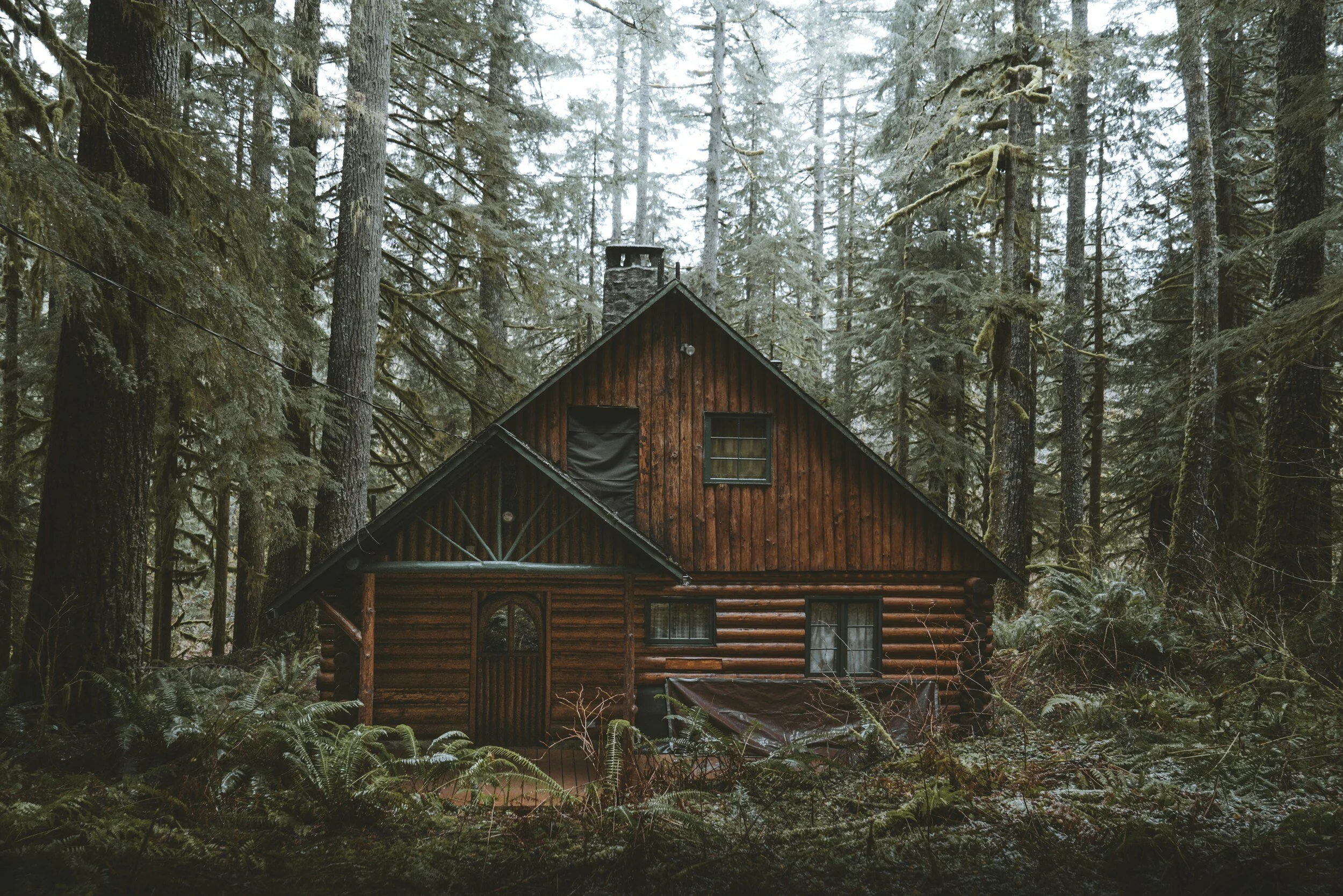
In an increasingly urbanized world, the need for reconnecting with nature has never been greater. Our modern, fast-paced lives often leave us feeling stressed, overwhelmed, and disconnected from the natural world. However, an innovative design approach known as biophilic design is changing the way we experience our built environments. Incorporating nature into our living and working spaces, biophilic design promotes well-being and mindfulness. We will further explore the profound influence of biophilic design on creating mindful spaces that nurture our mental and emotional well-being.

Credits: Archdaily Understanding Biophilic Design
Biophilic design is a concept that recognizes humanity’s innate connection with nature. It goes beyond adding a potted plant or two to a room; it involves the thoughtful and intentional integration of natural elements and patterns into the design of indoor spaces. Biophilic design principles draw inspiration from many of nature’s forms, processes, and ecosystems to create environments that improve human health, well-being, and productivity.
Biophilic design, centred on fostering a harmonious relationship between people and nature within built environments, operates on three fundamental pillars.
The first pillar, “Nature in the Space,” advocates for the direct integration of natural elements such as wood, stone, water features, and living plants into interior settings, invoking a sense of tranquillity and calm, reminiscent of the outdoors.
The second pillar, “Nature Analogues,” focuses on replicating natural patterns, textures, and colors within architectural details, utilizing organic shapes and earthy hues to create a soothing atmosphere that resonates with the natural world.
Lastly, the “Nature of Space” pillar emphasizes the optimization of environmental factors such as natural light, ventilation, and views of greenery to enhance the occupant’s connection with nature, thereby positively influencing mood, productivity, and overall well-being.
Together, these pillars form the backbone of biophilic design, striving to create spaces that not only sustain life but also enrich it by reconnecting individuals with the inherent beauty and vitality of the natural world.

Credits: Archdaily Influence of Biophilic design on daily life
Stress Reduction: The use of a biophilic design has been found to reduce stress and anxiety levels in occupants. The presence of natural elements, such as plants or water features, can have a calming effect and promote relaxation. Studies have shown that even just a view of nature from a window can lead to improved stress management.
Enhanced Cognitive Function: Mindfulness and cognitive function are closely linked and can be heavily influenced by Biophilic design to improve focus and creativity by providing environments that support cognitive restoration. Natural elements in a workspace, for instance, can boost concentration and problem-solving abilities.
Improved Well-being: Mindful spaces designed with biophilia in mind contribute to overall well-being. Users of these spaces report higher levels of satisfaction, happiness, and a greater sense of connection with their surroundings. This has significant implications for residential, commercial, and healthcare settings.
Connection with Nature: One of the primary goals of biophilic design is to foster a sense of connection with the natural world. Mindful spaces designed with this approach encourage people to be more in tune with their surroundings, fostering a deeper appreciation for nature and a heightened sense of environmental responsibility.

Credits: Archdaily Numerous real-world examples illustrate the successful application of biophilic design in creating mindful spaces. Iconic structures like Amazon’s Spheres in Seattle and the Bosco Verticale in Milan have embraced biophilic principles to provide employees and residents with a rejuvenating connection to nature within urban environments.Biophilic design is a powerful tool that can transform our indoor spaces into mindful havens. By incorporating elements and patterns from the natural world, we can reduce stress, enhance cognitive function, and improve overall well-being. As we continue to grapple with the demands of modern life, embracing biophilic design principles offers a path toward creating spaces that nurture our mental and emotional health, while also deepening our connection with the natural world.
References :
https://modulyss.com/en-INT/blog/biophilic-design-the-natural-trend-transforming-spaces-and-lives
https://www.spacerefinery.com/blog/biophilic-design-101
https://www.archdaily.com/995875/biophilic-interiors-21-projects-that-blend-architecture-with-nature
THE MINDFUL SCAPES
Stay in touch!
Copyright © 2025 The Mindful Scapes All Rights Reserved.
-
Floorings and Feelings
The Mindful Scapes
Floorings and Feelings
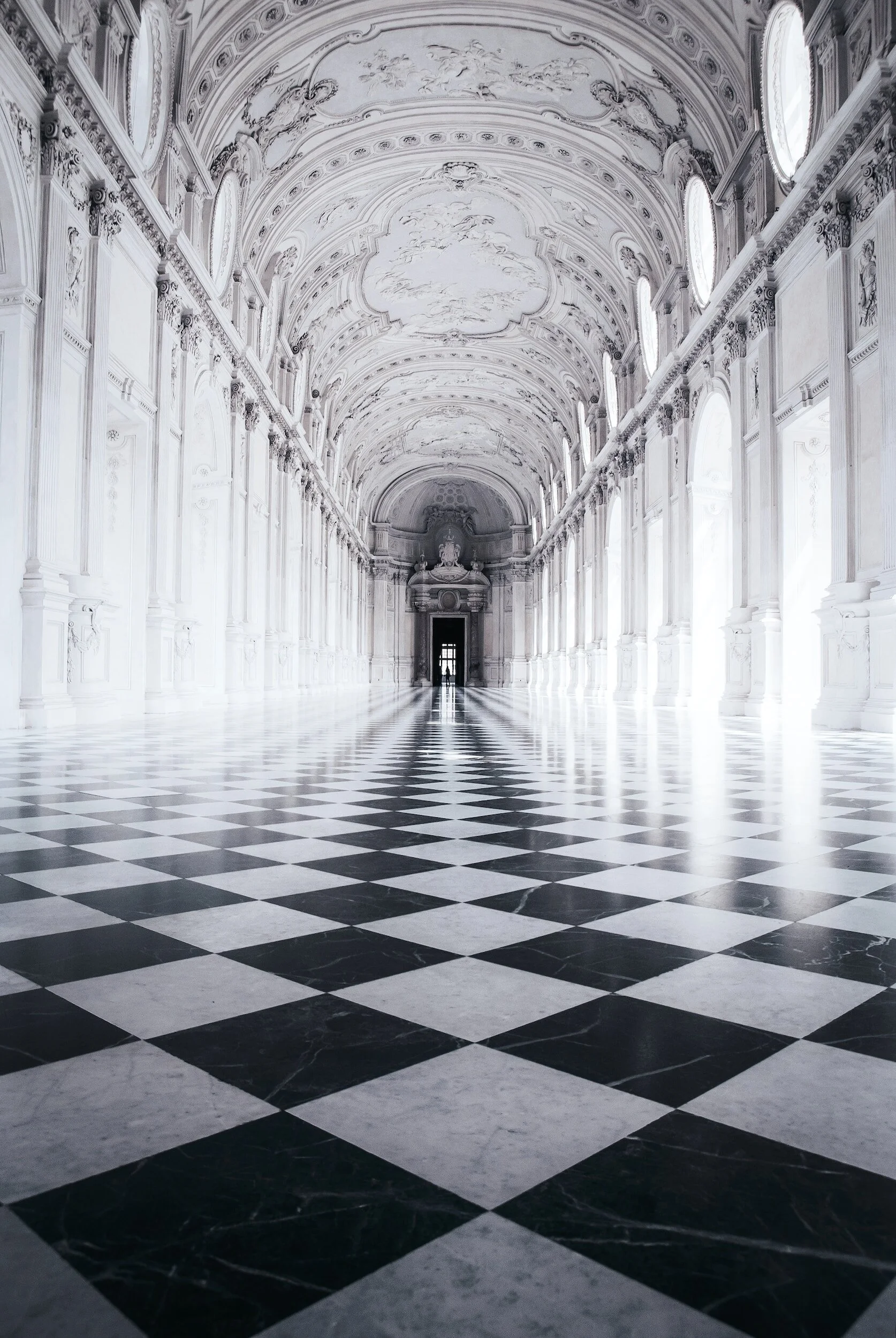
The flooring in our surroundings, especially our homes, contributes significantly to the overall ambiance, influencing our emotions and well-being. Here’s a brief exploration of different types of floorings and the feelings they can inspire:

1. Hardwood Floors: Hardwood floors often evoke a sense of warmth and timeless elegance. The natural patterns and textures in wood create a comforting atmosphere. Hardwood floors provides a natural elegance with the natural grain patterns and a feeling of solid support beneath your feet, fostering a connection to nature and craftsmanship.
2. Tile Flooring:
Tile flooring, with its myriad patterns and textures, can range from sleek and modern to rustic and traditional. Cool ceramic tiles may impart a refreshing feel, while textured tiles offer tactile stimulation. The tile patterns and colours also add to visual and aesthetic stimulation.

3. Carpeting: Carpets introduce softness and comfort, both visually and physically. Various textures, from plush to tightly woven, can evoke different emotions. Carpets give rise to the feeling of softness underfoot, acknowledging the patterns, and perhaps even noting how it muffles sound, creates a cosy and intimate space.
 4. Laminate Flooring: Laminate flooring often mimics the appearance of natural materials like wood or stone. Its smooth surface and diverse patterns provide versatility.
5. Stone or Concrete Floors: Stone or concrete floors exude a sense of modernity and durability. The coolness of these materials can be grounding. Stone or concrete floors help with feeling the solid foundation, observing any natural patterns or variations, and appreciating the minimalistic aesthetic they contribute to a space.
To be more mindful of these floorings, consider the following:
– Sensory Awareness: Take moments to feel the textures underfoot and notice the temperature.
– Visual Appreciation: Observe the patterns and colors, appreciating the unique character of each flooring type.
– Gratitude: Acknowledge the role these surfaces play in supporting and defining the spaces where you live.
By incorporating mindfulness into our interactions with different types of flooring, we can deepen our connection to our living spaces, enhancing the overall experience of home.
THE MINDFUL SCAPES
Stay in touch!
Copyright © 2025 The Mindful Scapes All Rights Reserved.