Author: Malak .

  • Childhood homes & memories

    Childhood homes & memories

    Childhood homes & memories

    Childhood homes possess a remarkable ability to remain firmly embedded in our memories. Every aspect, from the distinct smells and tactile sensations to the vivid visuals, has a profound impact, invoking memories that are indestructible. As children, we are strikingly attuned to our surroundings, absorbing every detail from our environment with a keen sense of awareness. As we transition into adulthood, our focus shifts, and we become less conscious of the world around us. However, the connection we maintain with our childhood homes is exceptionally deep.

    But why is this connection so strong? It stems from the deeply personal bond we form with these spaces. Our childhood homes are not just physical structures; they are archives of our earliest experiences, filled with the echoes of our formative years. They served as the backdrop for our first steps, our initial friendships, and our earliest dreams. The walls, the rooms, and the landscapes hold the secrets of our growth, the laughter of our youth, and the comfort of our families. This shared history creates an intimate relationship, fostering an enduring connection that remains imprinted on our hearts.

    So, what sets our childhood homes apart from the spaces we occupy as adults? The answer lies in the significance of those early impressions and the pivotal role they played in shaping our identities. Our current dwellings may provide comfort and shelter, but they lack the weight of nostalgia and the profound impact that our childhood homes had on our development. It is within these cherished spaces that we first learned to navigate the world, creating the foundation of our personalities and values. As a result, our childhood homes hold a special place in our hearts, where memories are not just recalled but are vividly relived, rendering them unforgettable.

  • The Psychology of Colours and Colour Schemes in the Interiors

    The Psychology of Colours and Colour Schemes in the Interiors

    Elevate Your Home: 3 Design Elements to Introduce to your homes

    Neutral Colours:


    Neutral colours include tones such as beige, grey, white, often devoid of strong chromatic content. Neutral colours are associated with simplicity, elegance, and timelessness. They create a sense of balance and calmness, making them ideal for creating a soothing atmosphere. Neutrals serve as a versatile backdrop, allowing other colours to stand out when needed. In terms of psychology, neutral tones are often linked to sophistication and a minimalist aesthetic, fostering a feeling of clarity and refinement.

    Vibrant Colours:

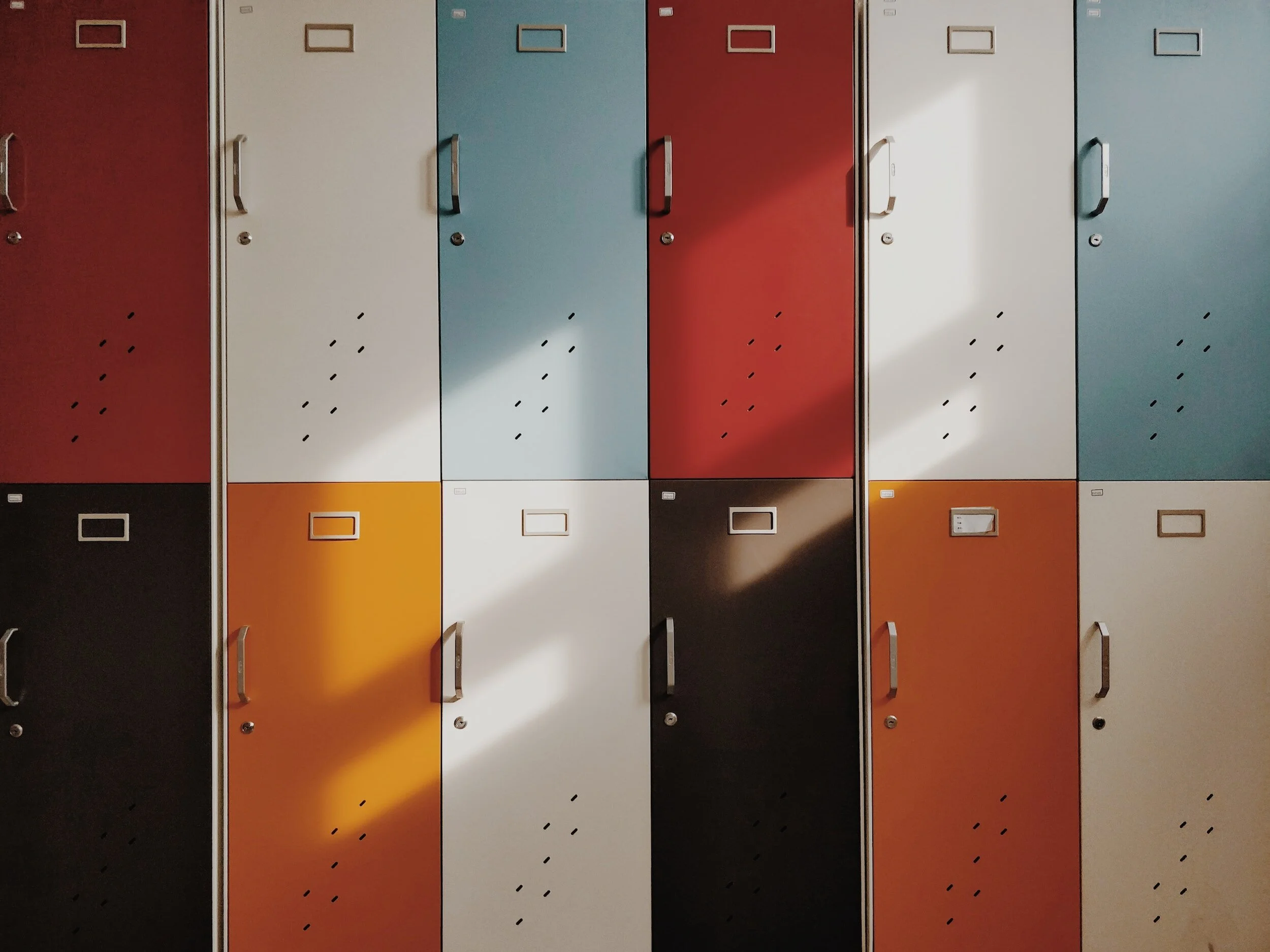
    Vibrant colours are intense and bold hues that catch the eye, such as bright reds, yellows, blues, and greens. Vibrant colours are known for their energetic and dynamic qualities. They evoke feelings of excitement, enthusiasm, and vitality. The psychological impact of vibrant colors is often associated with stimulation and attention-grabbing effects. In design, these colours can create a sense of playfulness and movement, eliciting a lively and engaging emotional response. Though studies show that children are more often found to prefer these over adults. 


    Monochromatic Colours:

    Monochromatic colours consist of variations in lightness and saturation of a single hue. Monochromatic colour schemes convey a sense of simplicity, harmony, and elegance. Since they originate from a single base colour, they offer a unified and cohesive look. In terms of psychology, monochromatic palettes often evoke calmness and create a visually pleasing, balanced aesthetic. They can be used to establish a tranquil atmosphere, making them popular choices for areas where relaxation is key.

    Colours Mimicking Nature:

    Colours mimicking nature encompass a broad spectrum of greens, browns, blues, and earthy tones inspired by the natural world. Nature-inspired colours are associated with tranquillity, balance, and a connection to the outdoors. Greens evoke a sense of calm and growth, blues convey serenity, and earthy tones create a grounding effect. These colours often elicit feelings of relaxation and harmony, making them popular choices for spaces where a connection to nature is desired. Adding a neutral base can make these dark or vibrant colours more soothing for the interiors. 

    White:

    An all-white colour scheme involves the use of various shades and tones of white, creating a monochromatic look. White is often associated with purity, cleanliness, and simplicity. An all-white palette can evoke a sense of clarity, openness, and a fresh start. White reflects light and makes spaces appear larger and more airy. It is a versatile colour that can be used to create a modern, minimalist look or to serve as a canvas for other colours or design elements. An all-white aesthetic may convey a feeling of simplicity, purity, and a timeless appeal.

  • 4 Simple Wall textures to enhance your spaces

    4 Simple Wall textures to enhance your spaces

    4 Simple Wall textures to enhance your spaces

    Enhancing your living spaces through thoughtful wall textures and patterns can significantly elevate the overall aesthetic and atmosphere. Here are four key elements to consider:

    1. Wall Tiles:

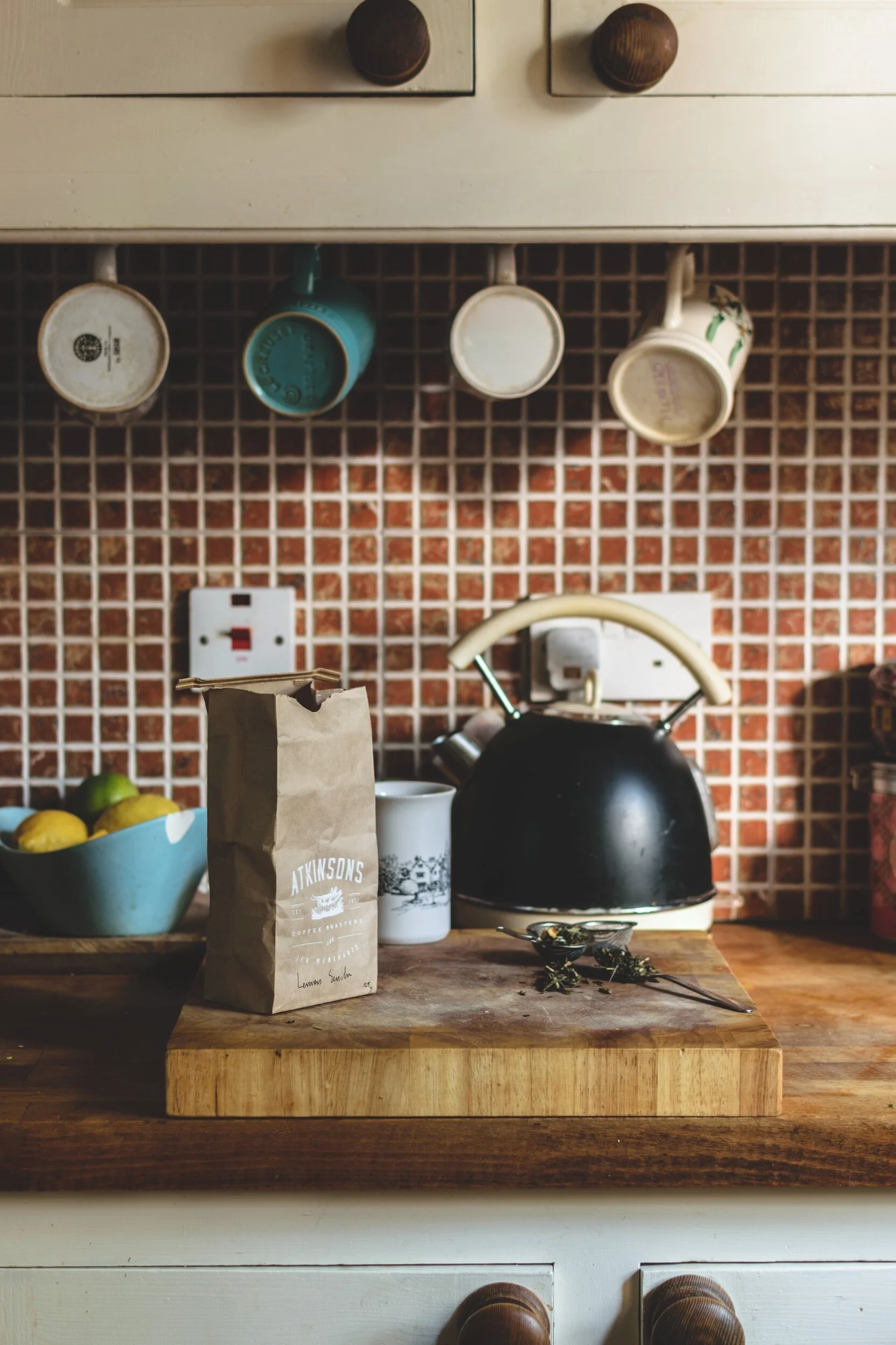
    Incorporating wall tiles adds a dynamic and modern touch to your space. Whether it’s in the kitchen, bathroom, or as an accent wall, tiles come in a variety of patterns, colors, and materials, allowing for creative expression. Their reflective surfaces can also play with light, contributing to a vibrant and visually engaging environment.

    2. Wooden Battens:

    Wooden battens introduce warmth and texture to your walls. Arranged horizontally or vertically, they create a sense of rhythm and visual interest. Beyond aesthetics, wooden battens can also serve functional purposes, such as hiding cables or providing a mounting surface for shelves. The natural feel of wood adds a timeless and comforting quality to the space.

    3. Textured Paint like Lime Wash Walls:

    Opting for textured paint, such as lime wash, transforms your walls into tactile canvases. Lime wash creates a soft, chalky texture that adds depth and character. This ancient technique not only provides a visually appealing surface but also promotes a connection to traditional craftsmanship, enhancing the overall sense of authenticity and mindfulness in your space.

    4. Printed Wallpaper:

    Printed wallpaper offers a versatile and customizable solution to introduce patterns and textures. Whether it’s a subtle, nature-inspired motif or a bold geometric design, wallpaper allows for personalization and can be a focal point in any room. The wide range of available patterns enables you to tailor your space to reflect your style, creating a visually stimulating and harmonious environment.

    Incorporating these wall textures and patterns not only enhances the aesthetic appeal of your home but also plays a crucial role in defining the atmosphere and mood of each space. Each element contributes to the overall feel, allowing you to create a home that is visually captivating and tailored to your personal style.

  • Embracing ‘Patterns and Textures’ for a Mindful Home

    Embracing ‘Patterns and Textures’ for a Mindful Home

    Embracing ‘Patterns and Textures’ for a Mindful Home

    Patterns have the power to evoke a wide range of emotions and feelings. From the gentle curves of floral prints to the structured lines of geometric designs, patterns can create a sense of harmony and balance in a room. When used mindfully, they can even have a calming effect on the mind. For example, soft, flowing patterns like waves or organic motifs can mimic the natural world, helping to bring a touch of serenity to your interior space.

    Textures, on the other hand, add depth and tactile interest to a room. They invite us to touch and feel, connecting us to the physical world around us. Mindful designers understand the importance of choosing textures that resonate with our senses. For instance, the smooth, cool surface of marble can be soothing, while the warmth of wood grains can create a sense of comfort and security. By combining different textures thoughtfully, designers can craft spaces that engage both our visual and tactile senses.

    Here are some ways in which patterns and textures can be incorporated into our home to make them more mindful –

    1. Natural Elements: Embracing nature-inspired patterns and textures can create a calming environment. Incorporating materials like stone, wood, or bamboo can bring an element of the outdoors inside, fostering a sense of tranquillity.

    2. Colour Harmony: Paying attention to the interplay of colours and textures is crucial. Soft, muted colours combined with gentle textures can create a soothing and harmonious atmosphere, while bolder colours and contrasting textures may stimulate creativity and energy.

    3. Furniture and Accessories: Mindful interior design extends to the choice of furniture and accessories. Soft, upholstered furniture and natural fabric cushions can add comfort and tactile appeal, while carefully selected artwork or decorative items can introduce patterns that resonate with the overall design.

    4. Simple and Uncluttered Patterns: Embrace simplicity and avoid overly complex or chaotic spaces. Minimalist layouts with clean lines and open spaces contribute to a sense of clarity and calm.

    5. Balance and Symmetry: Mindful design often leans towards balanced and symmetrical arrangements. These create a sense of order and calm, which can be particularly beneficial in spaces where relaxation and mindfulness are the goals.

    6. Lighting: Lighting plays a crucial role in highlighting patterns and textures. Soft, diffused lighting can accentuate textures and create a calming atmosphere, while task lighting can be used strategically to draw attention to specific design elements.

    By choosing patterns and textures that resonate with our senses and emotions, we can transform our living spaces. Take a moment to consider how mindful patterns and textures can help you create a space that not only looks beautiful but also enriches your inner world.

  • Unlocking the Power of Mindful Spaces: Boosting Focus and Productivity

    Unlocking the Power of Mindful Spaces: Boosting Focus and Productivity

    Unlocking the Power of Mindful Spaces: Boosting Focus and Productivity

    In today’s hyperconnected world, where distractions are abundant and our attention span is constantly tested, the pursuit of enhanced productivity and unwavering focus has never been more critical. Purposefully crafted environments are therefore needed to be meticulously designed to cultivate tranquillity, amplify mindfulness, and, most importantly, elevate productivity and sharpen focus. In this blog post, we will delve into the captivating world of mindful spaces, with a particular emphasis on how they wield their transformative influence on “Focus and Productivity”.

    Understanding the Essence of Mindful Spaces

    Mindful spaces are thoughtfully curated environments that actively promote relaxation, concentration, and self-awareness. They draw inspiration from the principles of mindfulness and integrate elements that nurture mental well-being and emotional equilibrium. These spaces can manifest in various forms, from a designated room in your home to a strategically designed workspace in your office.

    The Key Ingredients of Crafting your personal Mindful Spaces

    To truly appreciate how mindful spaces can revolutionize your focus and productivity, it’s crucial to comprehend the integral components that make them effective:

    Embracing Minimalism and Simplicity

    The cornerstone of mindful spaces is simplicity. A minimalist approach, characterized by clean lines, uncluttered spaces, and a subdued color palette, cultivates an environment that is conducive to productivity by reducing visual noise and distractions.

    Nurturing Natural Elements

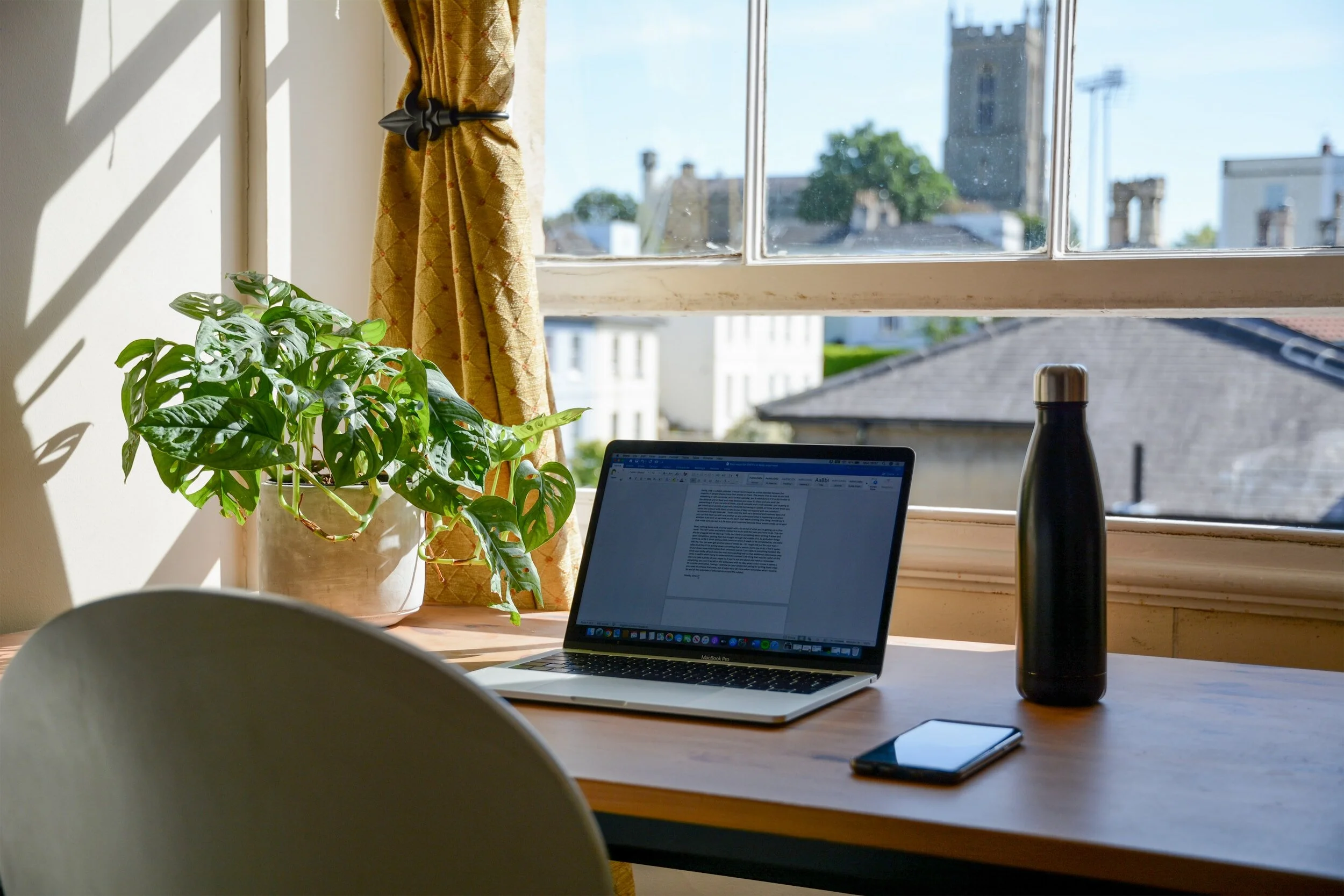
    Incorporating natural elements such as indoor plants, abundant natural light, and wooden accents serves to bridge the gap between our indoor and outdoor worlds. This connection with nature plays a pivotal role in stress reduction and, subsequently, heightened focus.

    Prioritizing Comfortable Seating

    Comfortable, ergonomic seating options are a non-negotiable element in mindful spaces. These seating arrangements promote not just physical comfort but also mental ease, enabling you to remain engaged and concentrated for extended periods.

    Mindful Decor for Inspiration

    Mindful spaces are adorned with decor that sparks positive emotions and encourages self-reflection. Items like motivational quotes, artwork, or personal artifacts contribute to the atmosphere of mindfulness and can significantly influence your focus.

    Elevating Focus and Productivity

    Now, let’s delve deeper into how mindful spaces substantially bolster your focus and productivity:

    Turbocharged Productivity

    A clutter-free, serene environment provides the ideal setting for productivity to thrive. Mindful spaces offer a dedicated haven where you can engage in focused work or tasks, free from the usual distractions that often undermine your productivity.

    Sharpened Focus

    By eliminating visual and auditory disturbances, mindful spaces sharpen your focus to a razor’s edge. The calming decor and ergonomic seating contribute to a heightened sense of concentration on the task at hand.

    Stress Reduction for Peak Performance

    The infusion of natural elements and minimalist design creates a calming ambiance, effectively lowering stress levels. Regular retreats to a mindful space can serve as a vital sanctuary from the tumultuous demands of modern life, allowing you to perform at your best.

    Enhancing Emotional Well-being

    Frequent use of a mindful space can yield a profound positive impact on your emotional well-being. These spaces offer a refuge for self-reflection and relaxation, equipping you with the tools to manage stress and bolster your overall mental health.

    By intentionally cultivating an environment that nurtures relaxation and concentration, you can harness their extraordinary potential in your life. Whether you aspire to supercharge your work performance or seek a haven for self-care, integrating a mindful space into your daily routine can unlock a realm of incredible possibilities, transforming your life for the better. .

  • Mindful Design for Small Spaces: Maximizing Space and Serenity

    Mindful Design for Small Spaces: Maximizing Space and Serenity

    Mindful Design for Small Spaces: Maximizing Space and Serenity

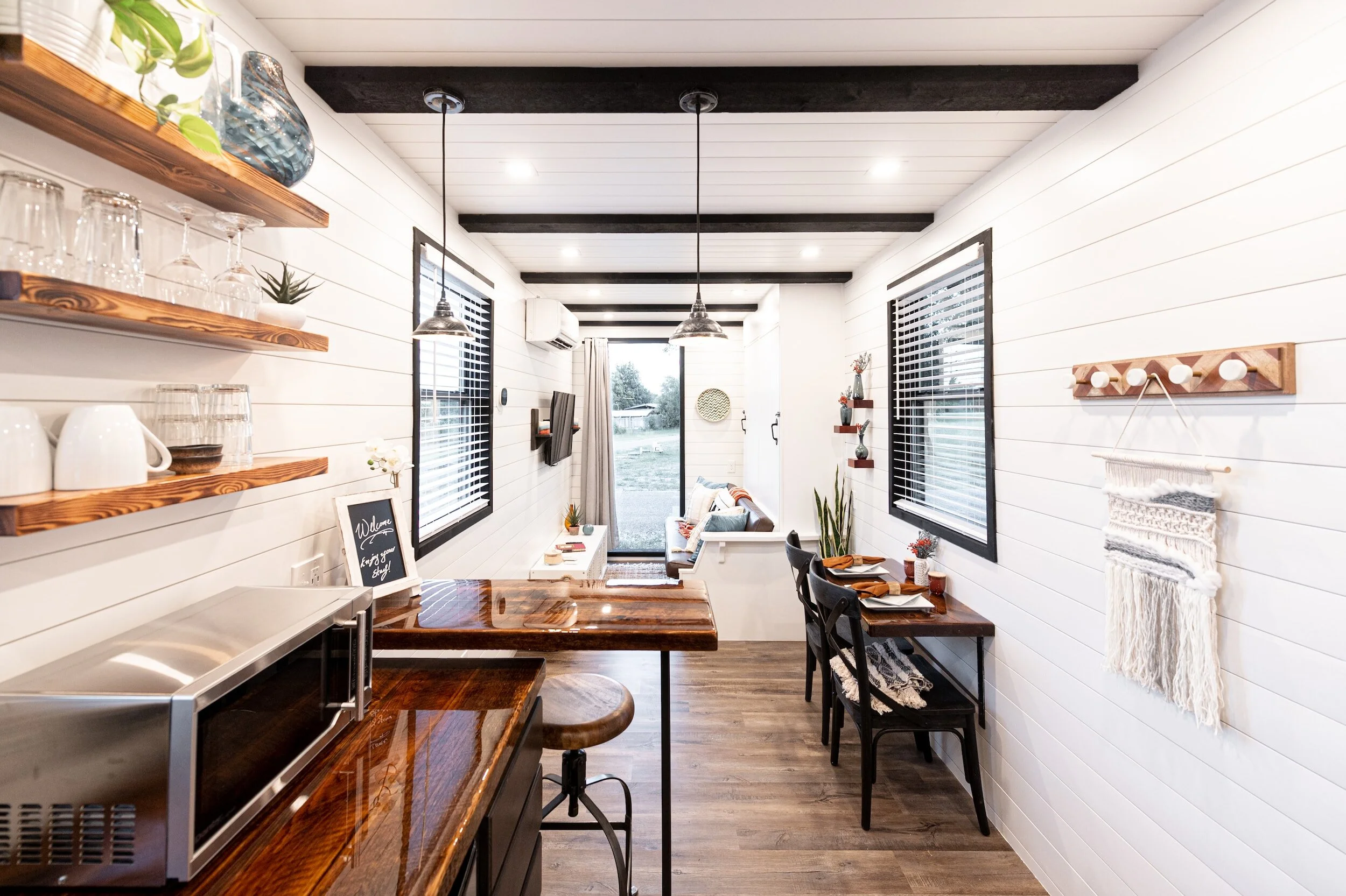
    Mindful designs can be simple and easy to implement whether your spaces are big or small. In an era where urban living often means sacrificing space for convenience, small homes have become the norm for many individuals and families. However, living in a compact space doesn’t have to mean compromising on comfort or aesthetics. You can transform your small home into a serene and tranquil haven by using these simple strategies –

    Declutter and Organize

    The first step to achieving a more spacious and serene environment in a small space is decluttering. Start by taking inventory of your belongings and consider what you truly need and cherish. Be grateful for the items are no longer useful or meaningful to you and let them go. You can try out the “Konmari Method” by Marie Kondo for sparkling joy to your spaces by decluttering and organizing. By simplifying your possessions, you will create a sense of openness and clarity in your living space.

    Multi-Functional Furniture

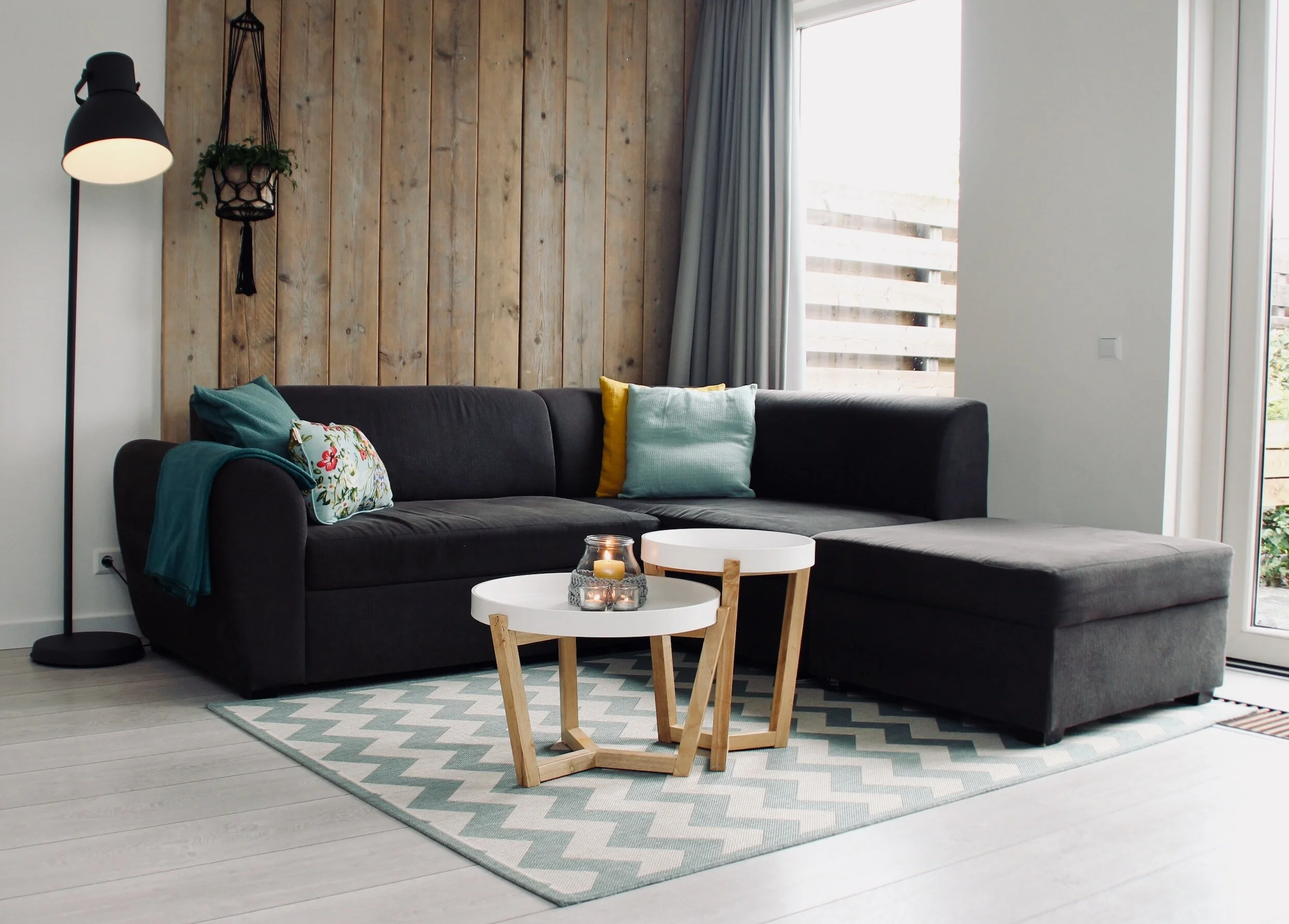
    Invest in furniture that serves multiple purposes. For example, a sofa bed can double as a guest bed, and a coffee table with hidden storage can help keep clutter at bay. Wall-mounted shelves and foldable furniture are excellent choices for small apartments as they can be easily stowed away when not in use, freeing up valuable floor space.

    Use Light Colours

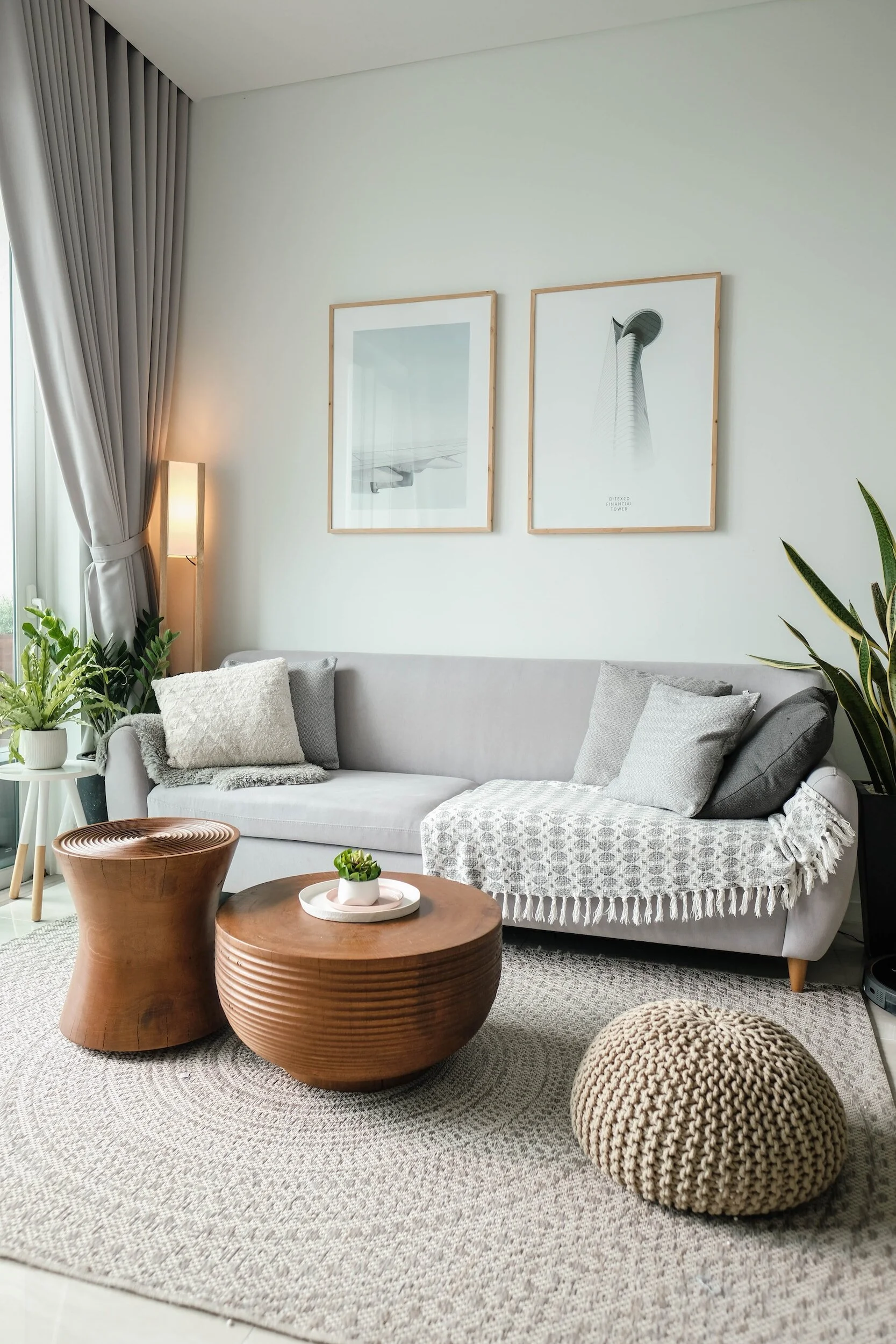
    Light colours, such as whites, pastels, and soft neutrals, can make a room feel more open and airy. Opt for a light color palette for your walls, furniture, and decor. This trick reflects natural light and creates an illusion of space, contributing to a serene atmosphere.

    Maximize Vertical Space

    In a small apartment, every inch of space counts. Utilize vertical space by installing tall bookshelves, wall-mounted storage units, and hanging organizers. These not only help keep your belongings organized but also draw the eye upward, making the room appear larger.

    Optimize functional zoning

    Define clear zones for different activities within the same space. Create distinct living, working, dining, and sleeping areas without sacrficing comfort or functionality. Carefully place the furniture so that there is no hindrance in doing these activities or moving from one space to another.

    Greenery and Natural Light

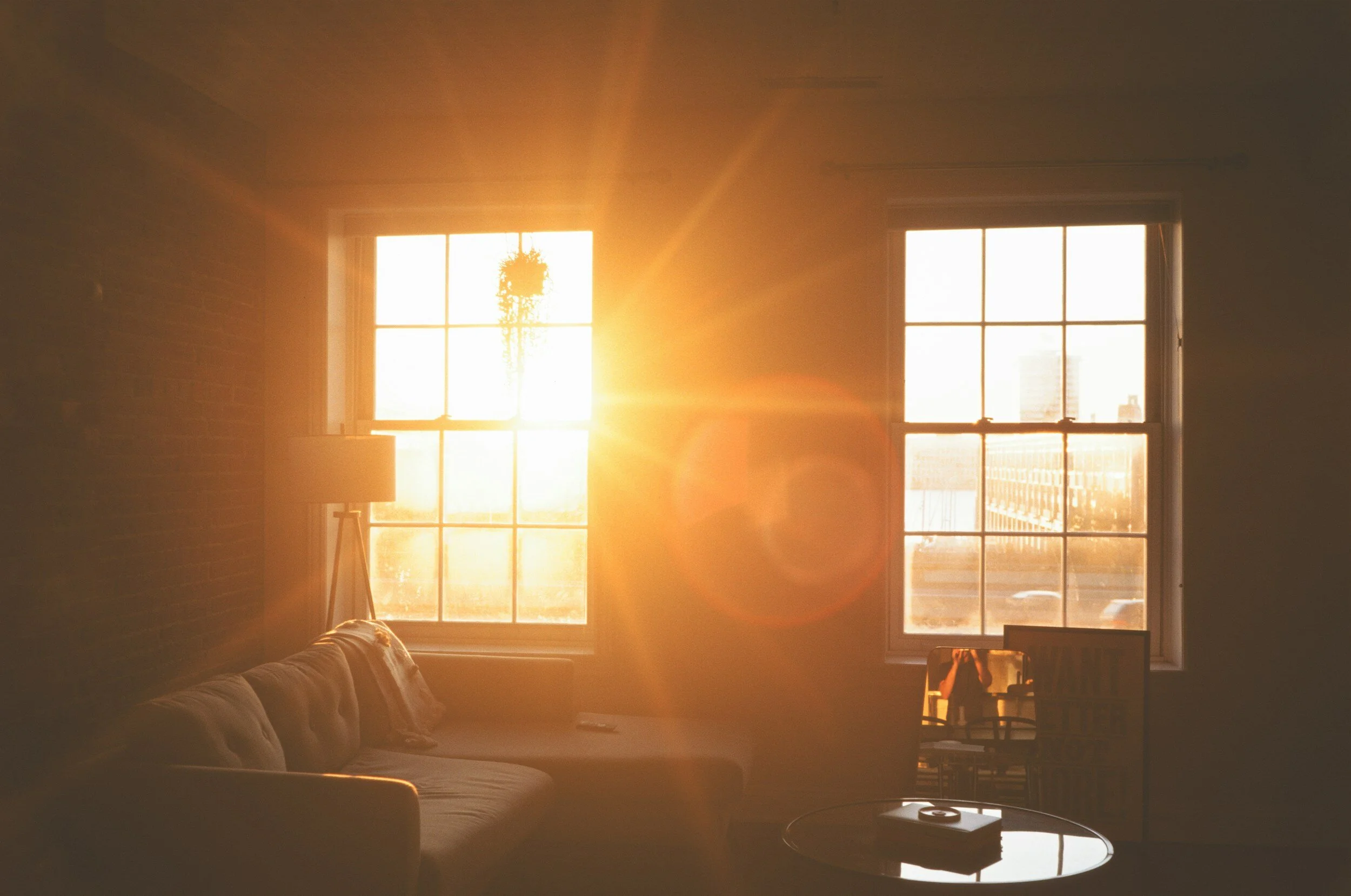
    Bring the outdoors in by adding houseplants to your small apartment. Plants not only improve air quality but also create a sense of tranquillity. Additionally, maximize natural light by using sheer curtains or blinds that allow sunlight to filter in while maintaining privacy. Avoid blocking windows with curtains and use mirrors strategically to reflect natural light.

    Smart Storage Solutions

    Invest in smart storage solutions like under-bed storage containers, ottomans with hidden compartments, and modular furniture that can adapt to your changing needs. These innovations help you make the most of every nook and cranny in your small apartment.

    Choose closed storage solutions over open shelving

    Cluttered open shelving can make the home look messy and stuffed. In contradiction to this, closed storage and cabinets can help with reducing visual clutter.

    Personalize and Beautify

    Lastly, don’t forget to personalize your space with meaningful decor and artwork. Choose items that spark joy and reflect your personality. A well-curated gallery wall or a few carefully selected pieces can add character and warmth to your apartment while maintaining a serene atmosphere.

    Living in a small home doesn’t mean sacrificing comfort, style, or serenity. With mindful design, you can maximize space and create a peaceful sanctuary that reflects your personality and lifestyle. By following the tips and strategies outlined in this blog post, you can turn your compact living space into a harmonious and inviting home. Remember, it’s not about the size of your home, but how you design and use it that truly matters.

  • The Power of Mindful Design: Creating Harmony in Your Home 

    The Power of Mindful Design: Creating Harmony in Your Home 

    The Power of Mindful Design: Creating Harmony in Your Home 

    Your home is more than just a collection of walls and furniture; it’s a sanctuary where every corner holds the potential to influence your mood and well-being. The concept of mindful design delves into the art of intentionally creating living spaces that not only look appealing but also have a profound impact on your emotional and psychological state.

    A mindfully designed space begins with a simple yet powerful principle: declutter and simplify. By removing unnecessary items and organizing your space, you create a serene atmosphere that contributes to reduced stress levels. A clutter-free environment fosters mental clarity, making it easier to unwind and find solace within the walls of your home.

    Beyond organization, it embraces the use of natural elements. Bringing nature indoors, whether through plants, natural fabrics, or wooden accents, establishes a connection to the outdoors. This not only adds aesthetic value but also contributes to a sense of calmness and tranquillity, promoting emotional well-being.

    Furthermore, the colours you choose for your home play a crucial role in setting the emotional tone of each room. The use of calming colours like soft blues and greens, can evoke a sense of peace and balance. The warm tones such as gentle yellows or earthy neutrals can add warmth and vibrancy. These colour choices can subtly influence your emotions, creating a harmonious ambiance that resonates with your inner sense of calm.

    In essence, mindfully designing your spaces isn’t just about creating visually pleasing spaces; it’s about curating an environment that nurtures wellness in your homes. Your home becomes a canvas where the careful selection of elements – from colours to natural textures – contributes to a holistic sense of harmony. By embracing mindful design principles, you invite positive vibes into your living space, turning it into a haven of serenity and well-being.